Anúncios
Traffic signs are the universal language of the road, guiding millions of drivers safely through streets, highways, and intersections every single day.
Understanding Traffic Sign Categories
Visit Official DMV
Whether you’re a new driver preparing for your license test or a seasoned motorist brushing up on road rules, understanding traffic signs is essential for safe navigation. These visual cues communicate critical information without requiring drivers to take their eyes off the road for extended periods.
Traffic signs have evolved significantly over the past century, becoming more standardized, intuitive, and internationally recognizable. Today’s road signage system represents decades of research into human psychology, visibility science, and accident prevention strategies that save countless lives each year.
🚦 The Three Primary Categories of Traffic Signs
Traffic signs fall into three main categories, each serving a distinct purpose on our roadways. Understanding these classifications helps drivers quickly process information and respond appropriately to changing road conditions.
Regulatory signs tell drivers what they must or must not do. These signs carry the force of law, and violating them can result in fines, points on your license, or even criminal charges in severe cases. They typically feature red, white, or black colors and use simple, direct messaging.
Warning signs alert drivers to potential hazards ahead. These cautionary markers give motorists time to adjust their speed, change lanes, or prepare for unusual road conditions. Most warning signs display a yellow or orange background with black symbols or text.
Guide signs provide directional and mileage information to help drivers navigate efficiently. These informational markers include highway route numbers, destination distances, and service facility locations. Green and blue are the predominant colors for guide signs in most countries.
🛑 Regulatory Signs: The Law on Display
Stop signs represent perhaps the most universally recognized regulatory sign worldwide. The distinctive red octagon requires drivers to come to a complete halt at intersections, check for cross-traffic and pedestrians, and proceed only when safe. Rolling through a stop sign, even at low speeds, constitutes a traffic violation in virtually all jurisdictions.
Yield signs instruct drivers to slow down and prepare to stop if necessary, granting right-of-way to other vehicles or pedestrians. The downward-pointing red and white triangle is designed to be instantly recognizable, even in poor visibility conditions.
Speed limit signs establish the maximum safe and legal velocity for specific road segments. These limits consider factors like road curvature, visibility, traffic density, and proximity to schools or residential areas. Speed limits can vary dramatically based on conditions, with some highways posting limits of 75-80 mph while school zones may drop to 15-20 mph during certain hours.
Do Not Enter signs feature a white rectangle with red circle and horizontal line, indicating that traffic is prohibited from entering in that direction. These signs typically appear at freeway off-ramps and one-way street entrances, preventing dangerous wrong-way driving scenarios.
🚫 Prohibition and Restriction Signs
No parking signs prevent vehicles from stopping in areas where stationary cars would create hazards or obstruct traffic flow. These signs often include additional information about restricted hours, permitted parking durations, or exemptions for certain vehicle types.
No turn signs prohibit specific directional movements at intersections. Red circles with diagonal lines through arrow symbols communicate these restrictions clearly without requiring lengthy text explanations that drivers might not have time to read.
Weight and height restriction signs protect infrastructure by preventing oversized vehicles from using roads, bridges, or tunnels that cannot safely accommodate them. Commercial drivers must pay special attention to these markers to avoid costly damage and potential accidents.
⚠️ Warning Signs: Anticipating Road Hazards
Curve warning signs alert drivers to upcoming turns that require reduced speed. The degree of curve severity is sometimes indicated through additional symbols or text, helping motorists gauge appropriate speeds before entering the turn.
Intersection warning signs announce upcoming crossroads where traffic from multiple directions converges. These yellow diamonds with cross or T-shaped symbols give drivers time to scan for approaching vehicles and prepare to yield or stop.
Pedestrian crossing signs indicate locations where foot traffic regularly crosses roadways. School zones, urban areas, and parks frequently feature these signs, often accompanied by flashing lights or reduced speed limits during peak pedestrian hours.
🦌 Animal and Environmental Hazard Warnings
Deer crossing signs warn of areas where wildlife frequently enters roadways, particularly during dawn and dusk hours. These warnings are especially common in rural and suburban areas adjacent to forests or nature preserves where animal populations remain substantial.
Slippery when wet signs caution drivers about road surfaces that become particularly hazardous during rain. Bridge surfaces, metal grates, and certain pavement types can transform into ice-like surfaces when moisture is present, dramatically reducing tire traction.
Falling rocks warnings appear along mountain roads and cliff-adjacent highways where geological instability creates danger from debris on roadways. These signs indicate areas where drivers should avoid stopping and remain alert for obstacles.
🗺️ Guide Signs: Navigating the Road Network
Interstate highway markers display distinctive shield shapes with red, white, and blue coloring. Even-numbered interstates generally run east-west, while odd-numbered routes travel north-south. Three-digit interstate numbers indicate urban loops or spurs connecting to main interstate routes.
Mileage signs inform drivers of distances to upcoming cities and destinations, helping with trip planning and fuel stop decisions. These green rectangular signs typically list multiple destinations with corresponding mileages in descending order.
Exit signs on limited-access highways provide advance notice of upcoming off-ramps, including exit numbers and destination information. Exit numbering typically corresponds to mile markers, making it easier for travelers to calculate distances and plan route changes.
🏨 Service and Facility Signs
Blue service signs indicate the availability of gas stations, food, lodging, and hospitals at upcoming exits. These informational markers help travelers make informed decisions about where to stop for necessities during long trips.
Rest area signs announce upcoming facilities where drivers can safely stop to rest, use restrooms, and stretch. Regular breaks during extended drives significantly reduce fatigue-related accidents, making these signs important safety tools.
Tourist attraction signs feature brown coloring and provide directions to parks, historical sites, recreational facilities, and points of interest. These markers help visitors navigate to destinations while supporting local tourism economies.
📐 The Science Behind Sign Design
Color psychology plays a crucial role in traffic sign effectiveness. Red universally signals danger, prohibition, or the need to stop. Yellow indicates caution and potential hazards. Green suggests safety, permission, or directional guidance. Blue points to services and information. Orange marks temporary construction zones and changing conditions.
Shape recognition allows drivers to identify sign categories even before reading text or symbols. Octagons exclusively represent stop signs worldwide. Triangles indicate yield situations. Diamonds warn of hazards. Rectangles provide regulatory or guide information. Pentagons mark school zones.
Retroreflective materials make signs visible during nighttime and low-light conditions by reflecting vehicle headlight beams back toward drivers. Modern sign materials use microscopic glass beads or prismatic technology to achieve brightness levels that rival internally illuminated signs at a fraction of the cost.
🔤 Symbol Standardization and International Recognition
The Vienna Convention on Road Signs and Signals established international standards that enable drivers to understand traffic signs across borders. While some regional variations exist, the core vocabulary of shapes, colors, and symbols remains remarkably consistent worldwide.
Pictograms communicate concepts without language barriers, making roads safer for international travelers and non-native speakers. A curved arrow needs no translation, nor does the silhouette of a pedestrian or the outline of a school building.
🏗️ Temporary Signs and Work Zone Safety
Construction zone signs feature orange backgrounds and black symbols, immediately distinguishing them from permanent road signage. These temporary markers warn of lane closures, reduced speed limits, workers present, and changing traffic patterns.
Flaggers use hand signals and stop/slow paddles to manually direct traffic through work zones where normal traffic control is temporarily suspended. Understanding and obeying flagger directions is legally equivalent to following permanent traffic signs.
Detour signs guide drivers around road closures using temporary routes that may differ significantly from normal paths. Following official detour markers prevents drivers from becoming lost or inadvertently entering restricted areas.
🌙 Special Condition Signs
Variable message signs use electronic displays to communicate real-time information about traffic conditions, weather hazards, Amber alerts, and special events. These dynamic signs provide information that traditional static signage cannot convey.
School zone signs often include flashing lights that activate during arrival and dismissal hours, reinforcing reduced speed limits when children are present. Some jurisdictions use camera enforcement in school zones, making compliance particularly important.
Railroad crossing signs feature distinctive X-shaped crossbucks that warn drivers of at-grade intersections with train tracks. Additional signals including flashing lights and descending gates provide active warning when trains approach.
💡 Reading Signs Effectively While Driving
Scanning ahead allows drivers to spot and process traffic signs early enough to respond appropriately. Experienced drivers develop a systematic visual pattern that includes checking mirrors, scanning the road surface, observing surrounding traffic, and identifying upcoming signs.
Prioritizing information helps drivers focus on the most critical signs first. Regulatory signs demand immediate attention and compliance. Warning signs require assessment and possible speed adjustment. Guide signs can be processed with lower priority when traffic conditions are complex.
Night visibility challenges require drivers to reduce speed and increase following distance, allowing more time to see and process signs illuminated only by headlights. Clean headlights and properly aimed beams significantly improve sign visibility after dark.
📚 Preparing for License Tests and Safe Driving
Study materials provided by licensing authorities include comprehensive sign identification sections that test applicants’ knowledge of shapes, colors, and meanings. Memorizing these signs is essential for passing written knowledge tests in all jurisdictions.
Practice tests help learners assess their readiness and identify knowledge gaps before attempting official examinations. Many free online resources offer randomized sign identification quizzes that simulate actual testing conditions.
Real-world observation reinforces classroom learning as new drivers practice identifying signs during supervised driving sessions. Discussing sign meanings with experienced drivers builds confidence and understanding beyond simple memorization.
🌍 Regional Variations and International Differences
While international standards promote consistency, regional adaptations reflect local needs and traditions. Speed limits appear in kilometers per hour in most countries but miles per hour in the United States and United Kingdom. Some nations use blue regulatory signs where others use red and white.
Symbol differences occasionally confuse international travelers. European roundabout signs look different from North American traffic circle markers. Wildlife crossing signs feature locally relevant animals, from kangaroos in Australia to moose in Scandinavia.
Language considerations mean that countries with multiple official languages must either use purely symbolic signs or include multiple text translations. Switzerland’s trilingual signs and Canada’s bilingual markers exemplify this approach.
🔧 Maintaining Sign Visibility and Effectiveness
Highway departments regularly inspect and maintain traffic signs to ensure continued visibility and relevance. Faded signs receive new retroreflective coatings or complete replacement. Vegetation that obscures signs must be trimmed. Damaged or vandalized signs require prompt repair.
Weather damage from wind, hail, and temperature extremes gradually degrades sign materials. Coastal areas face additional challenges from salt air corrosion, while northern regions must address damage from snowplows and ice accumulation.
Technology improvements continue to enhance sign performance. Solar-powered LED-enhanced signs increase visibility beyond traditional retroreflective materials. Smart signs connected to traffic management systems adapt messages based on real-time conditions.
🎯 The Future of Traffic Sign Technology
Digital integration may eventually connect traffic signs directly with vehicle systems, providing driver alerts through dashboard displays and heads-up projections. Vehicle-to-infrastructure communication could warn drivers of upcoming signs before they become visible.
Augmented reality systems might overlay sign information directly onto windshields or driver glasses, translating foreign signs in real-time and providing additional context about road conditions ahead.
Autonomous vehicles will rely heavily on sign recognition systems, using cameras and artificial intelligence to identify and respond to traffic control devices. This technology will need to achieve near-perfect accuracy before self-driving cars can operate safely without human oversight.
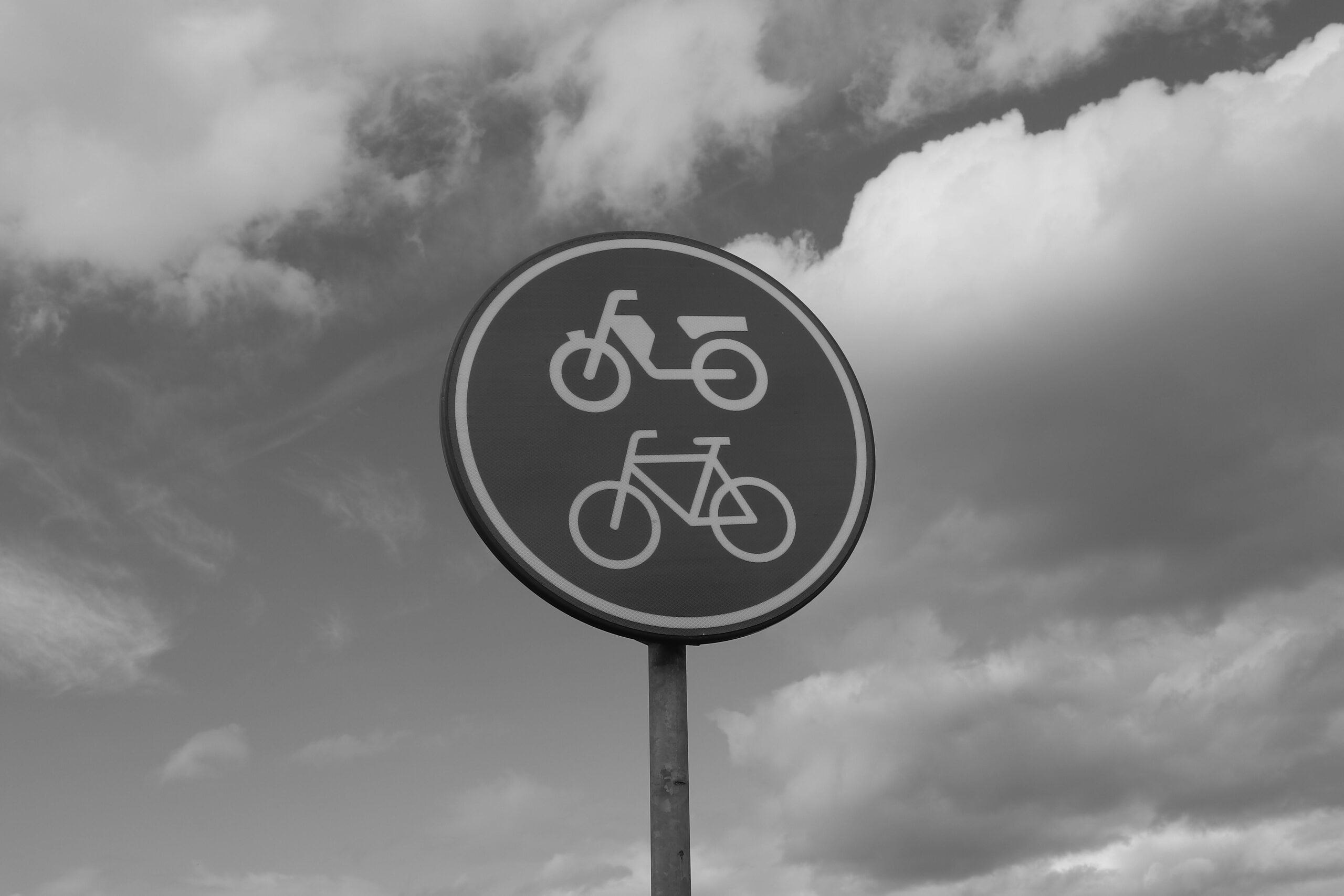
🏁 Mastering Road Sign Recognition for Safer Travels
Traffic signs represent over a century of refined communication design, distilling complex traffic rules into instantly recognizable visual symbols. These silent guardians of road safety work tirelessly, day and night, in all weather conditions, guiding millions of journeys to safe conclusions.
Investing time to thoroughly understand traffic signs pays dividends throughout your driving life. This knowledge transforms you from a passive road user into an informed navigator who anticipates hazards, respects regulations, and travels efficiently. Whether you’re studying for your first license or simply refreshing your understanding, mastering traffic sign recognition makes every journey safer for you and everyone sharing the road.
The road ahead demands attention, respect, and understanding. Traffic signs provide the vocabulary for this ongoing conversation between drivers and roadways. By learning this language fluently, you join a global community of informed motorists committed to making transportation safer, smoother, and more predictable for everyone.
