Anúncios
Understanding traffic signs is essential for every driver’s safety and compliance with road regulations. These visual symbols communicate vital information instantly, helping prevent accidents and ensure smooth traffic flow.
Understanding Traffic Sign Categories and Their Meanings

Visit Official DMV Resources
Traffic signs are the universal language of the road, designed to communicate crucial information quickly and effectively to all drivers, regardless of their native language. These standardized symbols play a fundamental role in maintaining order, preventing accidents, and guiding millions of motorists safely to their destinations every single day.
Whether you’re a new driver preparing for your license test or an experienced motorist looking to refresh your knowledge, understanding what each traffic sign means can significantly improve your driving confidence and road safety awareness. Let’s explore the complete world of traffic signage and decode what each category represents.
🚦 The Three Main Categories of Traffic Signs
Traffic signs are strategically divided into three primary categories, each serving a distinct purpose and featuring unique design characteristics. This classification system makes it easier for drivers to quickly identify the type of information being conveyed, even from a distance.
Regulatory signs establish the rules of the road, warning signs alert drivers to potential hazards ahead, and guide signs provide directional and informational assistance. Understanding these fundamental categories forms the foundation of traffic sign literacy.
Regulatory Signs: The Law Enforcers of the Road
Regulatory signs are perhaps the most important category as they communicate traffic laws that drivers must obey. Violation of these signs can result in citations, fines, or even more serious legal consequences. These signs typically feature white backgrounds with black or red lettering and symbols.
The iconic stop sign, with its distinctive octagonal shape and red background, is universally recognized and requires drivers to come to a complete halt. Yield signs, shaped as inverted triangles with red borders, instruct drivers to slow down and give right-of-way to other vehicles or pedestrians.
Speed limit signs display the maximum legal speed for a particular stretch of road, varying based on location, road conditions, and surrounding environment. School zones, residential areas, and highways each have specific speed regulations designed to protect both drivers and pedestrians.
One-way signs indicate streets where traffic flows in only one direction, preventing dangerous head-on collisions. Do not enter signs, featuring a white horizontal bar on a red background, prohibit entry into restricted areas or wrong-way traffic situations.
Warning Signs: Your Road Safety Advisors ⚠️
Warning signs alert drivers to potential hazards, unusual conditions, or upcoming changes in the road ahead. These signs are typically diamond-shaped with yellow backgrounds and black symbols or text, making them highly visible in various lighting conditions.
Curve warning signs prepare drivers for upcoming bends in the road, indicating whether the curve turns left or right and sometimes displaying the recommended safe speed. Sharp curve signs feature a more pronounced arrow to emphasize tighter turns requiring additional caution.
Intersection warning signs notify drivers of upcoming crossroads, T-intersections, or Y-intersections where traffic from multiple directions converges. These signs help drivers reduce speed appropriately and prepare for potential conflicts with crossing traffic.
Animal crossing signs warn of areas where wildlife frequently crosses roadways, particularly common in rural or forested regions. Deer, cattle, and other animal symbols alert drivers to exercise extra vigilance during dawn and dusk hours when animal activity peaks.
Construction and maintenance signs, often orange in color, indicate work zones ahead where workers may be present and normal traffic patterns may be disrupted. Reduced speed limits in these areas help protect both workers and motorists.
Guide Signs: Your Navigation Companions 🗺️
Guide signs provide directional information, distance markers, and points of interest to help drivers navigate efficiently. These signs come in various shapes and colors depending on their specific purpose and the type of roadway.
Interstate highway signs feature a distinctive shield shape with blue and red coloring, displaying the route number prominently. Even-numbered interstates generally run east-west, while odd-numbered routes typically run north-south across the country.
Mile markers help drivers determine their exact location along highways and provide reference points for emergency services. These green signs with white numbers increase sequentially, making it easy to estimate distances and communicate locations accurately.
Service signs, featuring blue backgrounds with white symbols, indicate nearby facilities such as gas stations, restaurants, hospitals, lodging, and rest areas. These signs help travelers plan stops and access necessary services during their journey.
🔴 Understanding Shapes and Colors in Traffic Signage
The shape and color of traffic signs aren’t arbitrary design choices—they’re carefully standardized elements that convey meaning even before drivers can read the text. This visual coding system allows for rapid recognition and response, crucial when traveling at highway speeds.
Red always indicates stop, prohibition, or danger. Whether it’s a stop sign, yield sign, or do not enter sign, red demands immediate attention and compliance. This universal color association helps create consistency across different countries and regions.
The Psychology Behind Sign Colors
Yellow and orange colors signal caution and warning. Yellow is used for general warnings about road conditions or hazards, while orange specifically indicates construction zones and temporary traffic control situations. These warm colors naturally draw the eye and trigger alertness.
Green signage provides directional guidance, distance information, and indicates permitted movements. Highway exit signs, street name signs, and mileage markers typically use green backgrounds to help drivers navigate without confusion.
Blue signs offer motorist services and information about amenities. From rest stops to handicapped parking, blue backgrounds indicate helpful resources rather than regulatory requirements or warnings.
Brown signs designate recreational areas, historical sites, and points of cultural interest. Parks, museums, campgrounds, and scenic viewpoints are typically marked with brown signs to help tourists and locals discover interesting destinations.
Shape Recognition for Instant Identification
The octagonal shape is used exclusively for stop signs, making them instantly recognizable even when covered by snow or viewed from behind. This unique eight-sided design has no other application in traffic signage.
Triangular signs always indicate yield situations, whether it’s a standard yield sign or a temporary yield condition in construction zones. The inverted triangle shape catches attention and communicates the need to slow down and assess traffic conditions.
Diamond shapes universally signal warnings. Any time you see a diamond-shaped sign, you should increase awareness and prepare for changing conditions ahead, whether it’s a curve, intersection, or potential hazard.
Rectangular signs convey regulatory information or guidance. Vertical rectangles typically indicate regulations, while horizontal rectangles often provide directional or informational guidance.
📋 Special Purpose Signs You Should Know
Beyond the main categories, several specialized signs serve unique purposes in specific situations. Understanding these less common but equally important signs enhances overall road safety awareness and preparedness.
School zone signs feature pentagon shapes with fluorescent yellow-green backgrounds, indicating areas where children are likely to be crossing streets. These signs often include specific times when reduced speed limits apply, typically during school arrival and dismissal hours.
Railroad Crossing Signs and Signals
Railroad crossing signs use the distinctive crossbuck design—a large X-shaped sign with “Railroad Crossing” text. These signs mark locations where roadways intersect with train tracks, requiring drivers to stop if trains are approaching or signals are active.
Advance warning signs featuring a circular railroad crossing symbol on a yellow diamond-shaped background alert drivers that they’re approaching a railroad crossing ahead. This gives drivers time to slow down and prepare to stop if necessary.
Flashing red lights and gates at railroad crossings provide active warning when trains are approaching. When these signals activate, drivers must stop and remain stopped until the train passes and signals deactivate, even if the train isn’t immediately visible.
Work Zone and Temporary Traffic Control Signs 🚧
Orange construction signs indicate temporary conditions that may differ from normal traffic patterns. These signs require special attention as familiar routes may have altered lanes, reduced speeds, or unexpected obstacles.
Flagger ahead signs warn drivers that a human traffic controller is directing traffic in the work zone. Drivers must follow the flagger’s instructions, which supersede normal traffic control devices during construction activities.
Lane closure signs prepare drivers for reduced available lanes, often displaying arrows or diagrams showing which lanes remain open. Merging early and safely helps maintain traffic flow and reduces collision risks in work zones.
🚸 Pedestrian and Bicycle-Related Signage
Signs dedicated to pedestrian and bicycle safety have become increasingly important as communities promote alternative transportation and enhance walkability. These signs protect vulnerable road users who lack the protection of vehicle structures.
Crosswalk signs, often featuring a walking person symbol, indicate designated pedestrian crossing areas. Drivers must yield to pedestrians within marked crosswalks, and some jurisdictions require stopping for pedestrians waiting to cross.
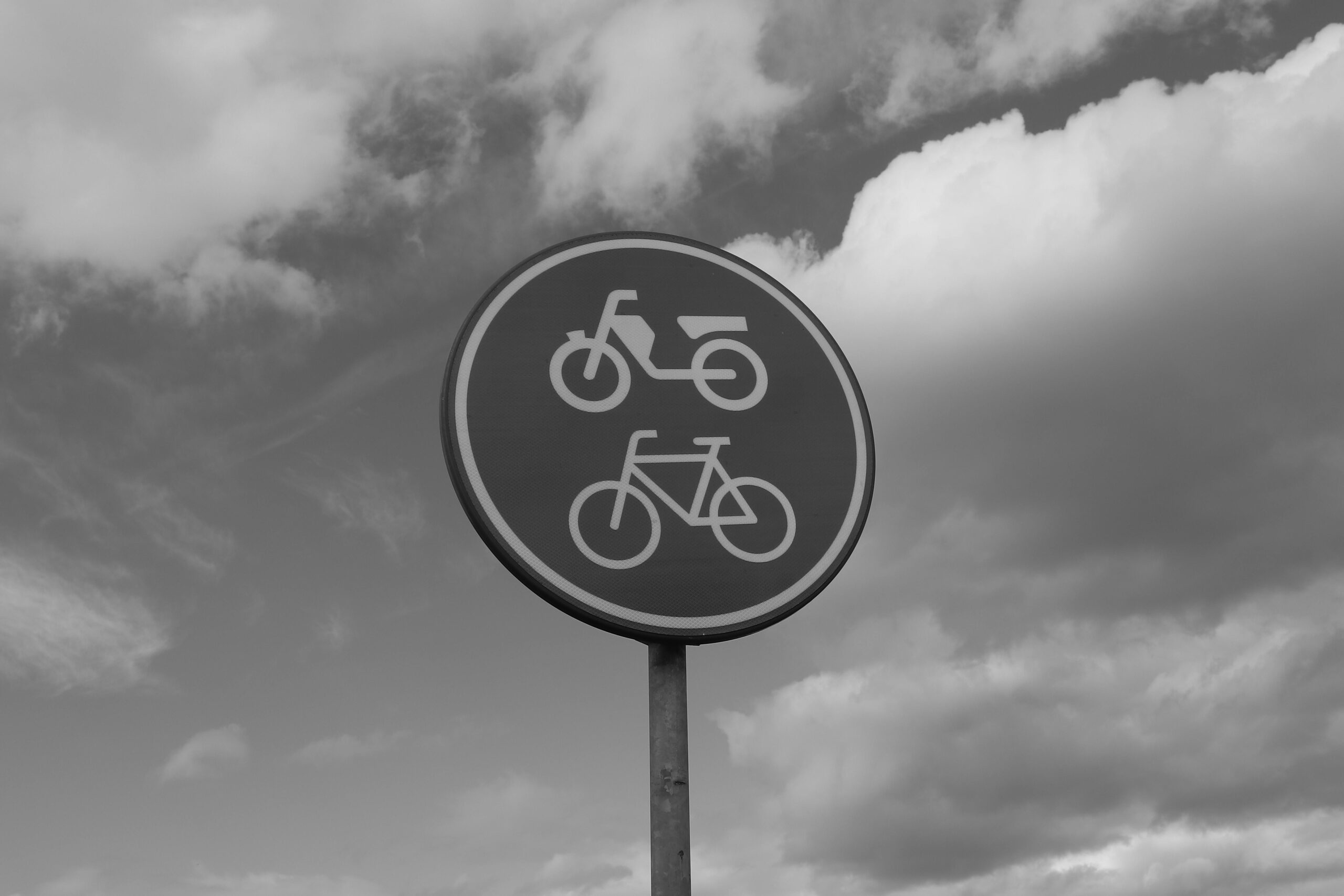
Bicycle route signs, typically featuring bicycle symbols on green backgrounds, designate preferred cycling routes with better infrastructure or lower traffic volumes. These signs help cyclists navigate safely while alerting motorists to expect bicycle traffic.
Shared lane markings, or “sharrows,” appear painted on roadways to indicate that bicycles and vehicles share the same lane. These markings remind drivers to share the road respectfully and maintain safe passing distances.
🅿️ Parking and Standing Regulations
Parking signs communicate complex regulations about where, when, and for how long vehicles may park or stand. Understanding these signs prevents costly tickets and helps maintain traffic flow in congested areas.
No parking signs prohibit leaving vehicles unattended in designated areas. These restrictions may apply at all times or only during specific hours indicated on the sign, often to facilitate street cleaning or rush hour traffic flow.
No standing signs are more restrictive than no parking signs, prohibiting vehicles from stopping except to expedite passenger loading or unloading. Drivers cannot leave their vehicles or remain stopped for extended periods.
No stopping signs represent the most restrictive parking regulation, prohibiting vehicles from halting for any reason except to avoid conflicts with other traffic or comply with traffic control devices. These zones require continuous traffic movement.
🌙 Nighttime Visibility and Reflective Materials
Modern traffic signs incorporate reflective materials that enhance visibility during nighttime and low-light conditions. This reflectivity ensures signs remain effective 24 hours a day, regardless of ambient lighting conditions.
Retroreflective sheeting on sign faces bounces vehicle headlight illumination back toward drivers, making signs appear to glow in the dark. Different grades of reflective material are used based on road classification and traffic speeds.
High-intensity reflective materials are required on highways and high-speed roads where drivers need maximum advanced warning. Lower-intensity materials may suffice on residential streets with slower traffic and closer sign spacing.
💡 Digital and Variable Message Signs
Technology has introduced dynamic signage that can change messages based on real-time conditions. These electronic signs provide flexibility to communicate current conditions rather than static information.
Variable message signs on highways display traffic conditions, accidents, weather warnings, or amber alerts. These signs adapt to current situations, providing drivers with timely information to make informed routing decisions.
Speed limit signs with digital displays can adjust posted speeds based on weather conditions, traffic congestion, or time of day. School zones frequently use these signs to display reduced speeds only during specific hours.
🔍 Regional Variations and International Differences
While traffic sign standards aim for international consistency, regional variations exist based on local laws, languages, and cultural factors. Understanding these differences becomes important for travelers driving in unfamiliar regions or countries.
Metric versus imperial measurements represent a common difference, with speed limits displayed in kilometers per hour in most countries but miles per hour in the United States. Distance signs similarly vary between kilometers and miles.
Language differences appear on text-based signs, though symbol-based signs minimize this barrier. Bilingual signs are common in areas with multiple official languages or significant tourist populations.
✅ Best Practices for Sign Comprehension and Compliance
Developing strong sign recognition skills requires conscious practice and attention. New drivers should study sign meanings thoroughly, while experienced drivers benefit from periodic refreshers to maintain awareness.
Scanning ahead while driving allows early sign detection and adequate response time. Looking 12-15 seconds ahead on highways and 4-6 seconds ahead in urban areas provides sufficient time to read signs and adjust driving accordingly.
Avoiding distractions ensures you don’t miss critical signage. Mobile device use, eating, or intense conversations can prevent drivers from noticing important signs until it’s too late to respond appropriately.
When uncertain about a sign’s meaning, exercising caution represents the safest approach. Slowing down and proceeding carefully until you can verify the sign’s intent prevents potential violations or accidents.
🎓 Staying Current with Traffic Sign Knowledge
Traffic regulations and signage occasionally evolve to address new safety concerns or incorporate technological advances. Staying informed about these changes helps maintain compliance and safety awareness throughout your driving years.
Driver’s manuals are updated periodically to reflect current regulations and sign meanings. Reviewing these materials every few years reinforces existing knowledge and introduces any new signs or regulations.
Defensive driving courses often include comprehensive sign reviews along with advanced driving techniques. These courses may even reduce insurance premiums while improving your understanding of traffic control devices.
Understanding traffic signs transforms them from mere roadside fixtures into a comprehensive communication system that guides, warns, and protects everyone on the road. By recognizing sign categories, interpreting colors and shapes correctly, and responding appropriately to each sign’s message, drivers contribute to safer roadways for all users. Whether you encounter a familiar stop sign or a specialized warning symbol, treating each sign with respect and compliance ensures that you’re doing your part to prevent accidents and maintain the efficient flow of traffic in your community and beyond.
