Anúncios
Understanding traffic signs is essential for road safety and legal compliance. These visual guides communicate critical information to drivers, pedestrians, and cyclists, helping prevent accidents and maintain order on our roadways.
Understanding Traffic Sign Categories and Their Meanings
Access Official Traffic Resources
Traffic signs serve as the universal language of the road, transcending barriers of spoken communication. Whether you’re a new driver preparing for your license test or an experienced motorist visiting a new area, recognizing these symbols can mean the difference between safe navigation and dangerous confusion.
The standardized system of traffic signage has evolved over decades to create consistency across regions and countries. Each shape, color, and symbol has been carefully designed to convey specific messages quickly and clearly, even at high speeds or in challenging weather conditions. Let’s explore the comprehensive world of traffic signs and decode their meanings.
🚦 The Three Primary Categories of Traffic Signs
Traffic signs are systematically divided into three main categories, each serving a distinct purpose on the roadway. Understanding this fundamental classification helps drivers process information more efficiently while navigating.
Regulatory Signs: The Law of the Road
Regulatory signs communicate laws and regulations that drivers must obey. These signs carry legal weight, meaning violations can result in tickets, fines, or more serious consequences. They typically feature a white background with black, red, or green lettering and symbols.
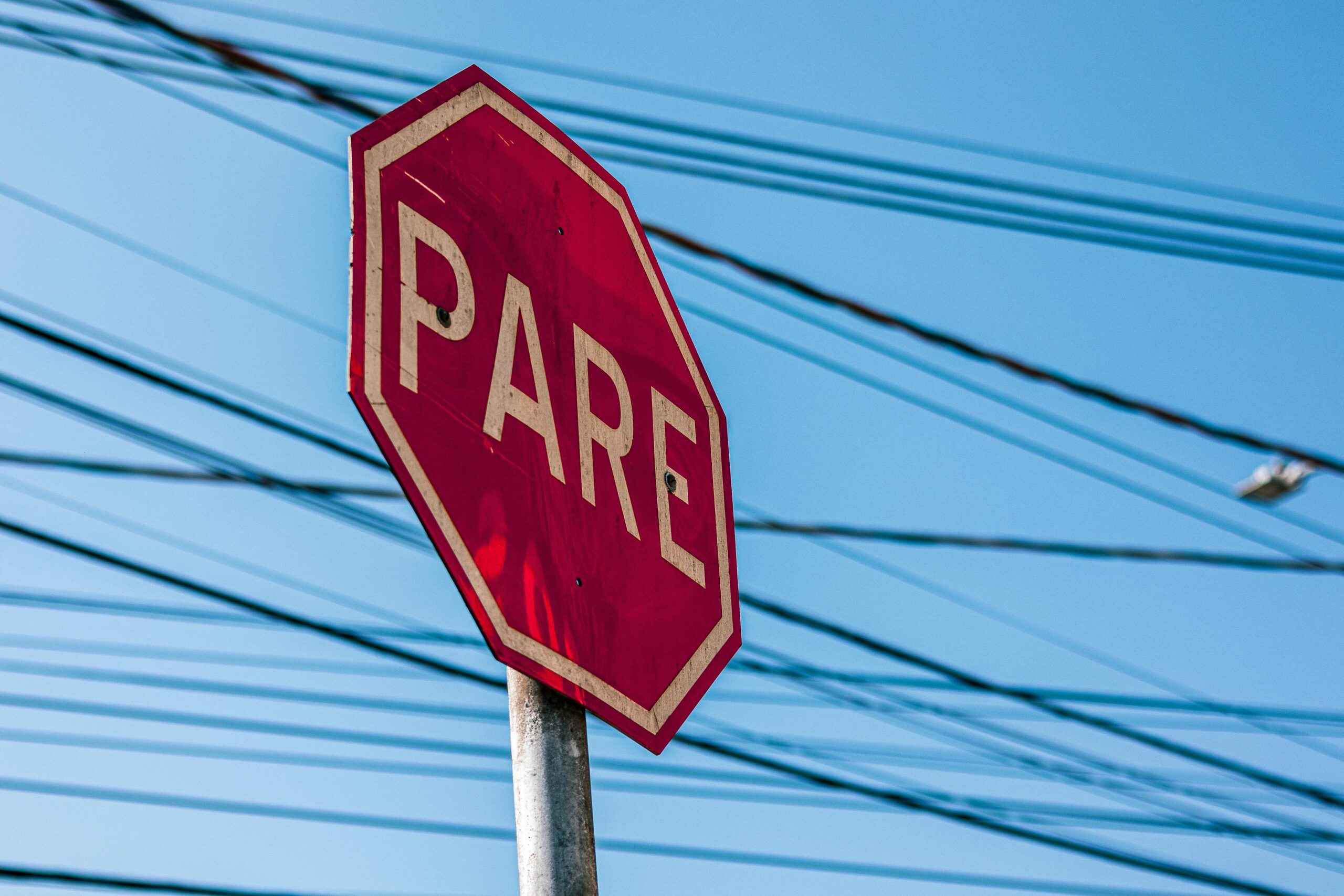
Stop signs are perhaps the most recognizable regulatory signs worldwide. The octagonal red sign with white letters commands drivers to come to a complete halt before proceeding. This distinctive eight-sided shape was chosen specifically so drivers can recognize it even from the back or when partially obscured by snow.
Yield signs use an inverted triangle shape with a red border and white background. These instruct drivers to slow down and prepare to stop if necessary, giving right-of-way to other vehicles or pedestrians. The downward-pointing shape creates a visual hierarchy of importance compared to other signs.
Speed limit signs display maximum (or sometimes minimum) speeds allowed on specific road segments. These rectangular white signs with black numbers are among the most common regulatory signs you’ll encounter. Speed limits vary based on road type, area classification, and safety considerations.
Do Not Enter signs feature a white rectangle inside a red circle, explicitly prohibiting entry. You’ll typically find these at highway exit ramps, one-way street entrances, and restricted areas. Ignoring these signs can lead to head-on collisions and serious accidents.
Warning Signs: Anticipating Road Hazards
Warning signs alert drivers to potentially dangerous conditions ahead, giving them time to adjust speed and attention accordingly. These signs predominantly use a diamond shape with a yellow background and black symbols or text.
The diamond shape instantly signals caution to drivers’ peripheral vision. This distinctive form allows quick recognition even before the specific symbol is clearly visible, triggering heightened awareness.
Curve ahead signs indicate upcoming bends in the road, with arrows showing the direction and sometimes the severity of the curve. Sharp curves may include recommended speed advisories on a separate rectangular sign below the warning diamond.
Pedestrian crossing signs depict a person walking within the yellow diamond, alerting drivers to areas where foot traffic commonly crosses the roadway. These are particularly important near schools, parks, and urban centers.
Animal crossing signs warn of areas where wildlife frequently crosses roads. The specific animal depicted varies by region—deer in forested areas, cattle in ranch country, or even kangaroos in Australia. These warnings should be taken seriously, especially during dawn and dusk when animal activity peaks.
Merge and lane reduction signs prepare drivers for traffic pattern changes. These diamonds show arrows converging or lanes ending, giving drivers advance notice to adjust position safely.
Guide Signs: Navigation and Information
Guide signs provide directional and informational assistance to help drivers reach their destinations. These signs use various colors, each carrying specific meaning within the traffic control system.
Green signs indicate highways, expressways, and distance to destinations. They’re the primary navigation tools on interstate and major roadway systems, showing exit numbers, mile markers, and upcoming cities.
Blue signs point to services and amenities such as gas stations, food, lodging, and hospitals. These service signs help travelers find necessary facilities without leaving designated routes unnecessarily.
Brown signs direct visitors to recreational areas, parks, historical sites, and points of interest. Tourism destinations rely heavily on this color-coded system to guide visitors to attractions.
White signs in the guide category typically display local street names, destinations within urban areas, and regulatory information like parking rules.
🔷 Understanding Sign Shapes and Their Significance
The shape of a traffic sign conveys meaning even before you can read the text or recognize the symbol. This shape-based recognition system proves invaluable in low-visibility conditions or when signs are partially obscured.
The Psychology Behind Sign Shapes
Octagons appear exclusively on stop signs, creating instant recognition. The eight-sided shape has been internationally standardized since the 1960s, making it universally understood across language barriers.
Triangles serve two primary functions. Upward-pointing triangles (rare in most countries) indicate yield in some regions, while downward-pointing triangles universally signal yielding right-of-way. The orientation creates visual distinction without requiring text.
Diamonds exclusively indicate warnings, as discussed earlier. This unique shape dedicated solely to caution helps drivers maintain appropriate alertness levels on varying road conditions.
Rectangles oriented vertically typically contain regulatory information, while horizontal rectangles usually display guide information. This orientation convention adds another layer of quick recognition to the sign system.
Circles often contain prohibitions or restrictions, particularly in international signage systems. A red circle with a diagonal line through a symbol universally means “prohibited” or “not allowed.”
Pentagons point downward and mark school zones and crossings. This distinctive five-sided shape immediately alerts drivers to areas where children may be present, demanding extra caution.
🎨 The Color Code System in Traffic Signage
Colors in traffic signs aren’t arbitrary aesthetic choices—each hue carries specific standardized meaning recognized across jurisdictions.
Red: Stop, Prohibition, and Danger
Red commands immediate attention and action. Beyond stop signs, red appears on do-not-enter signs, wrong-way warnings, and prohibition symbols. The color’s psychological association with danger makes it perfect for critical safety messages.
Yellow: Caution and Warning
Yellow signals caution without the immediate urgency of red. Warning signs use this color to give drivers advance notice of hazards while maintaining visibility in various lighting conditions. Fluorescent yellow-green has been introduced for enhanced visibility in school zones and pedestrian crossings.
Green: Guidance and Permitted Movement
Green indicates permission and guidance. Highway signs, distance markers, and directional information use green backgrounds to help drivers navigate without implying restriction or danger.
Blue: Services and Information
Blue denotes motorist services and non-essential information. Rest areas, food, fuel, and lodging signs all feature blue backgrounds, helping travelers plan stops without confusion with regulatory or warning signs.
Orange: Temporary Conditions and Work Zones
Orange exclusively marks temporary traffic control in construction and maintenance zones. These signs alert drivers to changed conditions, detours, workers present, and modified traffic patterns. The distinctive color ensures these temporary warnings stand out from permanent signage.
Brown: Recreation and Cultural Interest
Brown guides visitors to parks, campgrounds, historical markers, and tourist attractions. This earthy tone creates visual distinction from highway navigation while maintaining readability.
🚧 Special Category Signs You Need to Know
Construction and Work Zone Signs
Temporary traffic control signs using orange backgrounds communicate changing road conditions. Common examples include “Road Work Ahead,” “Detour,” “Lane Closed,” and “Flagger Ahead.” These signs often appear in sequential series, building driver awareness gradually.
Work zone signs may also display variable speed limits, which drivers must observe for their safety and that of road workers. Penalties for speeding in construction zones are typically doubled in many jurisdictions.
Railroad Crossing Signs
The circular yellow sign with an “X” and two “R” letters warns of upcoming railroad crossings. These distinctive signs are often supplemented by pavement markings, gates, and flashing lights. The crossbuck sign—a white X-shaped sign reading “Railroad Crossing”—marks the actual crossing point.
Drivers must always approach railroad crossings with caution, prepared to stop regardless of whether warning devices are active. Trains cannot stop quickly, making these crossings among the most dangerous intersections on road systems.
School Zone Signs
Pentagon-shaped signs mark school zones and crossings. These may include speed limit reductions during specific hours when children are arriving or leaving school. Flashing beacons often accompany these signs to increase visibility during active periods.
Enhanced penalties typically apply for traffic violations in school zones, reflecting society’s priority on protecting children. Drivers should maintain heightened awareness and be prepared for unpredictable movements from young pedestrians.
📊 International Variations in Traffic Signage
While many traffic signs follow international conventions established by the Vienna Convention on Road Signs and Signals, regional variations exist that travelers should understand.
North American vs. European Systems
North American signs tend to rely more heavily on text, while European signs emphasize symbols and pictograms. This reflects different approaches to creating universal understanding—European systems prioritize symbol recognition that transcends language, while North American systems assume literacy in local languages.
Speed limits showcase this difference clearly. North American signs display numbers with “MPH” or “km/h,” while European signs use only numbers within a red circle, with the unit of measurement understood contextually.
Unique Regional Signs
Some regions feature unique signs reflecting local conditions. Australian outback roads warn of kangaroo crossings, Scandinavian countries alert drivers to moose, and tropical regions may warn of monkey crossings. These specialized signs address genuine local hazards that wouldn’t apply elsewhere.
🔍 Less Common But Important Signs
Minimum Speed Limit Signs
While maximum speed limits are common, minimum speed signs appear on highways where slow-moving vehicles create hazards. These rectangular white signs with black numbers ensure traffic flow remains consistent and safe.
No Passing Zone Signs
Pennant-shaped yellow and black signs mark the beginning of no-passing zones on two-lane roads. These work in conjunction with painted centerlines to prevent dangerous overtaking maneuvers where sight distance is limited.
Roundabout and Traffic Circle Signs
As roundabouts become more common in North America, specific signs guide drivers through proper navigation. These show circular arrows indicating counterclockwise flow and may include lane-use arrows for multi-lane roundabouts.
Shared Lane Markings
Sometimes called “sharrows,” these pavement markings indicate lanes shared by vehicles and bicycles. While not traditional signs, they communicate important right-of-way information in urban cycling areas.
💡 How to Effectively Read and Respond to Traffic Signs
Understanding signs intellectually differs from responding appropriately while driving. Effective sign comprehension requires practice and systematic approach.
The Three-Second Rule for Sign Recognition
Research shows drivers need approximately three seconds to recognize, read, comprehend, and respond to traffic signs. This reinforces the importance of appropriate sign placement and clear visibility standards.
Signs must appear with sufficient advance warning to allow drivers traveling at posted speeds to react safely. This explains why warning signs often specify distances—”Bridge Out 2 Miles”—giving drivers time for decision-making.
Prioritizing Sign Information
When multiple signs appear together, drivers must quickly prioritize information. Regulatory signs generally take precedence, followed by warning signs, then guide signs. Color and shape recognition helps this prioritization occur almost subconsciously with experience.
Night Visibility and Reflectivity
Modern traffic signs use retroreflective materials that bounce vehicle headlight illumination back to the driver. This technology ensures signs remain visible in darkness without requiring external lighting. However, drivers should maintain clean headlights and use appropriate beam settings for optimal sign visibility.
🎓 Teaching Sign Recognition to New Drivers
Driver education programs emphasize sign recognition as fundamental to safe driving. New drivers should study sign meanings through multiple methods for effective retention.
Study Techniques for Sign Tests
Creating flashcards with sign shapes, colors, and meanings helps build recognition skills. Many jurisdictions offer online practice tests that simulate actual licensing exams, providing valuable preparation.
Visual learners benefit from driving practice where they identify and explain signs aloud, reinforcing the connection between visual recognition and appropriate response. This active learning proves more effective than passive memorization.
Common Sign Recognition Mistakes
New drivers often confuse similar signs or fail to distinguish between regulatory and warning signs. The difference between “No Parking” and “No Stopping,” for example, carries significant legal implications.
Regular review and real-world observation help cement these distinctions. Experienced drivers should continue refreshing their knowledge, as sign designs occasionally update to improve clarity and effectiveness.
🌐 Digital Evolution of Traffic Signage
Technology is transforming how traffic information reaches drivers. Dynamic message signs now display variable information based on current conditions—weather warnings, traffic speeds, estimated travel times, and emergency alerts.
Variable Speed Limit Signs
These electronic displays adjust speed limits based on traffic flow, weather conditions, or accidents ahead. They’re particularly common in areas with frequent congestion or weather variability, helping maintain safe speeds for current conditions rather than static maximums.
Connected Vehicle Technology
Emerging vehicle-to-infrastructure communication systems may eventually deliver sign information directly to vehicle displays. This technology could alert drivers to signs they might miss and provide additional context about road conditions ahead.
However, traditional physical signs will remain critical for decades, as they require no power, work with all vehicle types, and provide reliable information regardless of technological capabilities.
✅ Maintaining Sign Effectiveness Through Proper Maintenance
Even well-designed signs become ineffective if poorly maintained. Faded colors, damaged reflectivity, or obscured visibility from vegetation all compromise safety.
Transportation departments conduct regular sign inventories, checking reflectivity levels, physical condition, and visibility. Citizens can report damaged or missing signs to local authorities, contributing to overall road safety.
Seasonal challenges like snow accumulation, falling leaves, or overgrown vegetation can temporarily obscure signs. Drivers should remain alert and use context clues when signs aren’t clearly visible, while authorities work to maintain year-round clarity.
🚗 The Bottom Line on Traffic Sign Literacy
Traffic signs represent a sophisticated communication system designed to keep all road users safe. Understanding their meanings, colors, shapes, and purposes transforms driving from a mechanical task into an informed, responsive activity.
Whether you’re a new driver learning the basics or an experienced motorist encountering unfamiliar signs while traveling, taking time to understand traffic signage pays dividends in safety and confidence. These visual guides speak a universal language that transcends borders, creating safer roadways for everyone who uses them.
Regular review of sign meanings, attention to new or updated signs, and consideration of the reasoning behind sign placement all contribute to better driving decisions. As our road systems evolve and new challenges emerge, traffic signs will continue adapting to communicate critical information effectively and efficiently. Your role as a driver is to receive, understand, and respond appropriately to these vital safety messages every time you take to the road. 🛣️
