
Anúncios
Unconditional self-acceptance isn’t about perfection—it’s about embracing who you truly are, flaws and all, to unlock genuine happiness and personal transformation.
🌟 Why Self-Acceptance Feels Like an Uphill Battle
In a world that constantly bombards us with images of perfection, filtered realities, and impossible standards, accepting ourselves unconditionally can feel like swimming against the current. We’ve been conditioned to believe that we need to fix, improve, or change ourselves before we deserve love and acceptance. This perpetual cycle of self-criticism creates a barrier between who we are and who we think we should be.
The truth is, most of us have been running on autopilot, measuring our worth against external benchmarks that were never meant for us in the first place. Social media feeds filled with highlight reels, workplace cultures that glorify hustle over health, and societal pressures that dictate how we should look, act, and live have all contributed to a collective disconnection from our authentic selves.
But here’s the revolutionary idea: you don’t need to earn the right to accept yourself. Self-acceptance isn’t a destination you arrive at after achieving certain goals or reaching a particular version of yourself. It’s a practice, a daily commitment to honoring your humanity in all its messy, imperfect glory.
Understanding the Core of Unconditional Self-Acceptance
Unconditional self-acceptance goes deeper than positive thinking or self-esteem boosting. It’s the fundamental recognition that your worth as a human being is inherent and unchangeable. You don’t become more valuable when you succeed, and you don’t become less valuable when you fail. Your worthiness is a constant, not a variable.
This concept was pioneered by psychologist Carl Rogers, who believed that unconditional positive regard—both from others and toward ourselves—is essential for psychological health. When we practice unconditional self-acceptance, we create an internal environment where growth happens naturally, not from a place of inadequacy but from genuine curiosity and self-compassion.
The Difference Between Self-Acceptance and Self-Esteem
Many people confuse self-acceptance with self-esteem, but they’re fundamentally different. Self-esteem is often conditional, fluctuating based on achievements, appearance, or external validation. It asks, “Am I good enough?” Self-acceptance, on the other hand, affirms, “I am enough, period.” This distinction is crucial because while self-esteem can be fragile and performance-dependent, self-acceptance provides a stable foundation regardless of circumstances.
When your sense of worth depends entirely on self-esteem, you’re constantly at the mercy of external factors. A bad performance review, a failed relationship, or even a bad hair day can send your sense of self plummeting. But with self-acceptance as your anchor, these events become experiences you navigate rather than threats to your core identity.
🔓 Breaking Free From the Chains of Self-Judgment
Self-judgment is perhaps the most pervasive obstacle to authentic living. That critical inner voice that tells you you’re not smart enough, attractive enough, successful enough, or simply not enough keeps you trapped in a prison of your own making. This voice often mimics messages we internalized from childhood—critical parents, harsh teachers, or bullying peers—and continues echoing long after those external voices have faded.
The first step in breaking free is recognizing that this critical voice isn’t the truth about who you are. It’s a protective mechanism that developed to help you fit in, avoid rejection, and stay safe. While it may have served a purpose at some point, it’s now limiting your potential and keeping you from experiencing the fullness of life.
Recognizing Your Inner Critic’s Patterns
Your inner critic has favorite themes and recurring scripts. Perhaps it focuses on your appearance, constantly finding flaws and comparing you to others. Maybe it attacks your intelligence, making you second-guess every decision. Or perhaps it undermines your relationships, convincing you that you’re unlovable or destined to be alone.
Take time to identify these patterns. Write them down. Notice when they appear most frequently. Are they triggered by specific situations, people, or emotions? Understanding these patterns is the first step toward disempowering them. When you can see the inner critic as a phenomenon you observe rather than an absolute truth, you’ve already begun the transformation.
The Ripple Effect: How Self-Acceptance Transforms Your Life
When you embrace unconditional self-acceptance, the effects radiate outward into every area of your life. Relationships deepen because you’re no longer performing or seeking validation—you’re simply being yourself. Work becomes more fulfilling because you’re making choices aligned with your values rather than chasing approval. Even challenges become more manageable because you’re not also fighting against yourself.
💚 Enhanced Relationships and Authentic Connections
Authentic relationships require authenticity. When you accept yourself fully, you give others permission to do the same. You stop playing roles and start showing up as your genuine self. This vulnerability, paradoxically, creates deeper connections because people respond to realness, not perfection.
Self-acceptance also helps you establish healthier boundaries. When you know your worth isn’t dependent on pleasing others, you can say no without guilt and yes without resentment. You attract people who appreciate you for who you are rather than those drawn to the mask you present.
Improved Mental and Physical Health
The stress of constantly battling yourself takes a significant toll on both mental and physical health. Studies have shown that self-criticism activates the same threat-response systems in the brain as external danger, flooding your body with stress hormones like cortisol. Chronic self-judgment contributes to anxiety, depression, and even physical ailments like high blood pressure and weakened immune function.
Conversely, self-acceptance activates the parasympathetic nervous system, promoting relaxation and healing. When you’re not expending enormous energy fighting yourself, you have more resources available for genuine growth, creativity, and wellbeing.
🛤️ Practical Pathways to Cultivating Self-Acceptance
Understanding the importance of self-acceptance is one thing; actually cultivating it is another. Like any meaningful change, it requires consistent practice and patience. Here are evidence-based strategies that can guide you on this transformative journey.
Practice Mindful Self-Awareness
Self-acceptance begins with self-awareness. You can’t accept what you’re not willing to see. Mindfulness meditation helps you observe your thoughts, feelings, and bodily sensations without immediately judging them as good or bad. This creates space between stimulus and response, allowing you to choose acceptance over automatic criticism.
Start with just five minutes daily. Sit quietly, focus on your breath, and when thoughts arise—as they inevitably will—simply notice them without attaching to them. Label them gently: “thinking,” “worrying,” “planning.” This practice trains you to be the observer of your experience rather than being completely identified with it.
Develop a Compassionate Inner Dialogue
The way you speak to yourself matters profoundly. Research by Dr. Kristin Neff, a pioneer in self-compassion research, shows that self-compassion is strongly associated with emotional wellbeing, resilience, and life satisfaction. Instead of harsh self-criticism, practice speaking to yourself as you would to a dear friend facing the same situation.
When you notice self-critical thoughts, pause and reframe them. Instead of “I’m such an idiot for making that mistake,” try “I’m human, and humans make mistakes. What can I learn from this?” This isn’t about toxic positivity or denying reality—it’s about responding to yourself with kindness rather than cruelty.
Challenge Your Limiting Beliefs
Many of the beliefs that prevent self-acceptance are simply untrue. They’re stories we’ve told ourselves so many times that they feel like facts. Question these narratives. Where did this belief come from? What evidence supports it? What evidence contradicts it? Is this belief serving your growth or limiting it?
Write down your core limiting beliefs about yourself. Then, for each one, write a counter-narrative based on actual evidence from your life. This cognitive restructuring helps dismantle the mental constructs that keep you trapped in self-rejection.
🌱 Embracing Imperfection as Part of Your Humanity
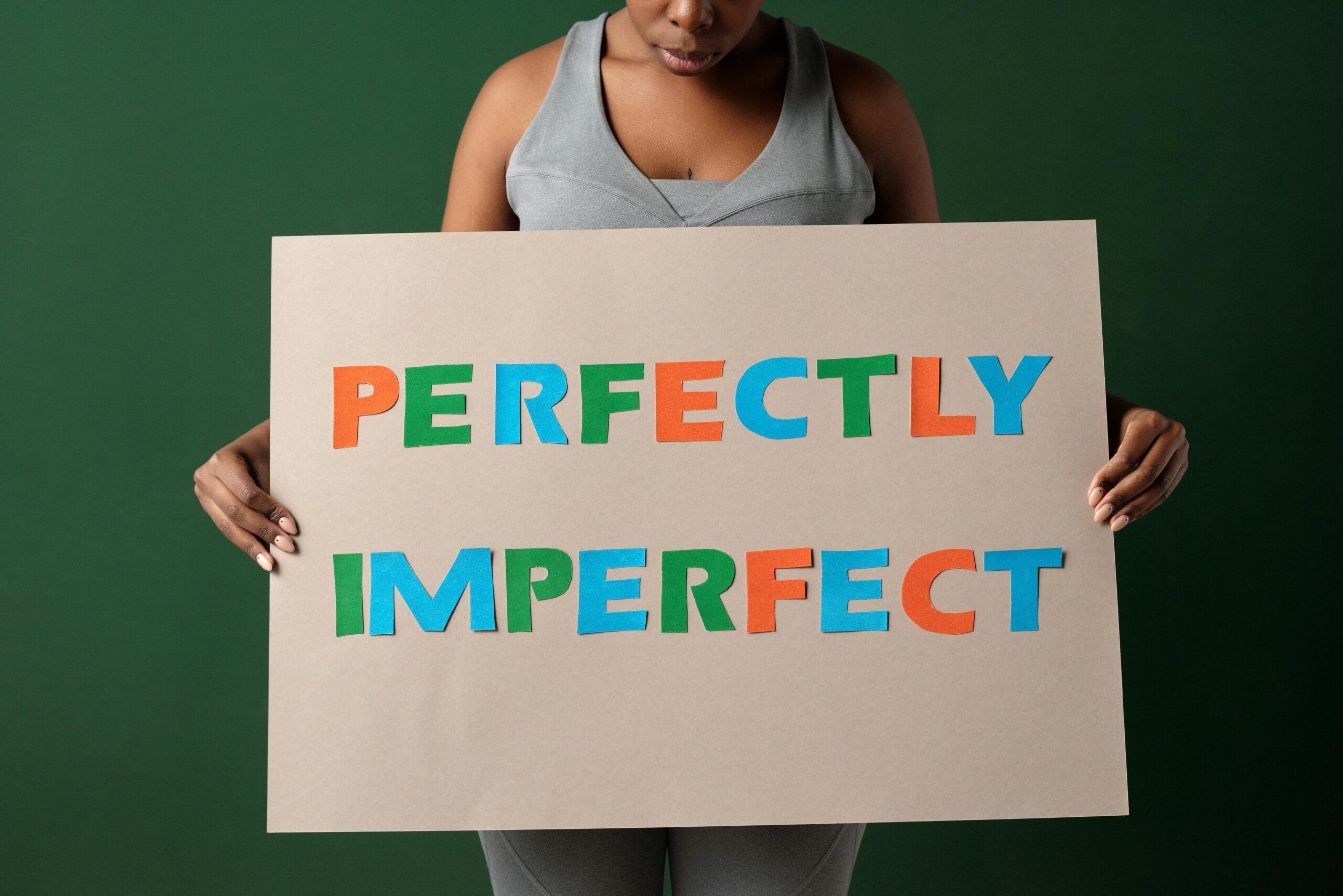
One of the greatest barriers to self-acceptance is perfectionism—the belief that you must be flawless to be worthy. This impossibly high standard guarantees perpetual dissatisfaction because perfection simply doesn’t exist. What does exist is excellence, growth, and the beautiful messiness of being human.
Japanese culture has a concept called “wabi-sabi,” which finds beauty in imperfection, impermanence, and incompleteness. A cracked ceramic bowl isn’t discarded but repaired with gold, highlighting the cracks rather than hiding them. This practice, called kintsugi, celebrates the object’s history and acknowledges that the breakage and repair are part of its story, not something to be ashamed of.
Your imperfections, mistakes, and vulnerabilities are your kintsugi. They’re what make you unique, relatable, and authentically human. Embracing them doesn’t mean you stop growing or improving; it means you grow from a place of wholeness rather than brokenness.
💪 Building Resilience Through Self-Acceptance
Resilience isn’t about being invulnerable or bouncing back unchanged from adversity. True resilience involves accepting the reality of difficult experiences, processing the emotions they bring, and integrating the lessons learned. Self-acceptance is the foundation of this type of resilience because it allows you to face challenges without the added burden of self-condemnation.
When you accept yourself unconditionally, failure becomes feedback rather than a referendum on your worth. Rejection becomes redirection rather than confirmation of your inadequacy. Mistakes become opportunities for learning rather than evidence of your unworthiness. This shift in perspective fundamentally changes how you navigate life’s inevitable difficulties.
Creating a Personal Self-Acceptance Practice
Sustainable change requires consistent practice. Consider establishing daily rituals that reinforce self-acceptance:
- Morning affirmations: Begin each day by affirming your inherent worth, independent of what you’ll accomplish.
- Gratitude for your body: Thank your body for what it does for you rather than criticizing how it looks.
- Evening reflection: Review your day with compassion, acknowledging both struggles and successes without judgment.
- Self-compassion breaks: When facing difficulty, pause and offer yourself words of kindness and understanding.
- Journaling: Write freely about your experiences, emotions, and thoughts without censoring or judging yourself.
🌈 Living Authentically: The Ultimate Freedom
The ultimate gift of unconditional self-acceptance is the freedom to live authentically. When you’re no longer performing for an audience or seeking approval, you can make choices based on your genuine values, desires, and purpose. This doesn’t mean you become selfish or inconsiderate; rather, you become more fully yourself, which paradoxically allows you to contribute more meaningfully to the world.
Authentic living requires courage. It means risking disapproval, standing out, and potentially being misunderstood. But the alternative—living a life carefully constructed to meet others’ expectations—is far more costly. It costs you your vitality, your creativity, and ultimately, your sense of being truly alive.
The Intersection of Self-Acceptance and Personal Growth
Some people worry that accepting themselves unconditionally means giving up on growth and improvement. This couldn’t be further from the truth. In fact, genuine growth flourishes in the soil of self-acceptance. When you’re not motivated by self-hatred or inadequacy, you’re free to pursue growth from curiosity, joy, and genuine aspiration.
Think of it this way: a gardener doesn’t hate a seed for not yet being a flower. She simply provides the right conditions—water, sunlight, nutrients—and trusts the natural process of growth. Similarly, self-acceptance provides the conditions for your natural unfolding. You grow not because you’re broken and need fixing, but because growth is part of being alive.
🎯 Navigating Setbacks With Self-Compassion
The journey toward unconditional self-acceptance isn’t linear. There will be days when the old patterns of self-criticism resurface, when you feel like you’ve made no progress at all. These moments are not failures—they’re part of the process. What matters is how you respond to them.
When you find yourself slipping into harsh self-judgment, notice it without adding another layer of judgment about judging yourself. Simply acknowledge, “I’m having a hard time right now. This is difficult, and it’s okay that it’s difficult.” Extend yourself the same compassion you’d offer a struggling friend. Remember that transformation takes time, and every moment offers a new opportunity to choose self-acceptance.
Your Invitation to Wholeness
Embracing your true self through unconditional self-acceptance isn’t a one-time decision but an ongoing practice, a daily return to the truth of your inherent worthiness. It’s choosing to see yourself with clear eyes—acknowledging both strengths and weaknesses, successes and failures—and affirming your value regardless of these fluctuating circumstances.
This practice doesn’t make you complacent or self-absorbed. Instead, it frees you to engage with life more fully, love more deeply, risk more boldly, and contribute more authentically. When you’re not constantly at war with yourself, you have so much more energy available for what truly matters—creating meaningful connections, pursuing purposeful work, and experiencing the full spectrum of human emotion without resistance.
The transformative power of unconditional self-acceptance lies in this simple yet profound shift: moving from “I’ll accept myself when…” to “I accept myself now.” Not because you’re perfect, but precisely because you’re imperfectly, beautifully, messily human. This is your invitation to stop waiting for permission to embrace who you are. The only approval you’ve ever needed is your own.
Start today, right where you are, with exactly who you are. That’s always been enough. You’ve always been enough. And the moment you truly accept this, everything changes. Not because you become someone different, but because you finally allow yourself to be who you’ve always been beneath all the layers of judgment, expectation, and fear. That’s where true transformation begins—and where freedom lives.
