
Anúncios
Learning to become a professional mechanic has never been more accessible, thanks to innovative mobile applications that bring training, diagnostics, and expert knowledge directly to your smartphone.


The automotive industry is experiencing a digital revolution that’s transforming how aspiring mechanics learn their craft. Traditional vocational schools and apprenticeships, while still valuable, are now complemented by sophisticated mobile applications that offer comprehensive training programs, real-time diagnostics, and interactive learning experiences that fit into your schedule and budget.
Whether you’re a complete beginner dreaming of opening your own auto repair shop or an experienced DIY enthusiast looking to upgrade your skills to professional standards, mechanic training apps provide structured pathways to certification, hands-on practice scenarios, and access to industry experts that were previously unavailable outside formal education settings. 🔧
Why Mobile Apps Are Revolutionizing Mechanic Training
The landscape of vocational education has shifted dramatically in recent years. Traditional mechanic training required significant investments in time, money, and often relocation to attend specialized schools. Mobile applications have democratized this process, making professional-level automotive education accessible to anyone with a smartphone and the determination to learn.
These apps leverage augmented reality, video demonstrations, interactive quizzes, and community forums to create immersive learning environments. You can study brake systems during your lunch break, watch engine rebuild tutorials before bed, and practice diagnostic procedures using virtual simulations that replicate real-world scenarios with remarkable accuracy.
The flexibility offered by app-based learning addresses one of the biggest barriers to career change: time constraints. You’re no longer bound by rigid class schedules or semester timelines. Instead, you progress at your own pace, spending extra time on challenging topics while moving quickly through areas where you already have knowledge or experience.
Essential Features to Look for in Mechanic Training Apps 📱
Not all automotive training applications are created equal. The most effective platforms share several key characteristics that distinguish them from basic information repositories. Understanding these features helps you select apps that will genuinely advance your career rather than simply entertaining you with car facts.
Comprehensive Curriculum Structure
Professional-grade mechanic apps organize content into logical learning pathways that mirror traditional vocational programs. Look for applications that cover fundamental topics like safety procedures, tool identification, and basic maintenance before progressing to complex systems like fuel injection, transmission repair, and electronic diagnostics.
The curriculum should align with industry certifications such as ASE (Automotive Service Excellence) standards. This ensures that the knowledge you’re acquiring meets professional benchmarks recognized by employers across the automotive industry.
Interactive Diagnostic Tools
Modern vehicles are essentially computers on wheels, requiring mechanics to interpret diagnostic trouble codes (DTCs) and analyze sensor data. Quality training apps include OBD-II scanner integration or simulation, teaching you how to read codes, understand their implications, and follow systematic troubleshooting procedures.
These interactive features transform passive learning into active problem-solving. Rather than simply memorizing that P0301 indicates a cylinder 1 misfire, you learn to investigate potential causes, test components, and verify repairs—the same workflow professional technicians follow in actual repair shops.
Video Demonstrations and AR Guidance
Nothing replaces hands-on experience, but high-quality video content comes remarkably close. The best mechanic training apps feature thousands of repair procedure videos filmed from optimal angles with clear narration explaining each step.
Augmented reality takes this further by overlaying instructions onto real vehicle components through your phone’s camera. Point your device at an engine, and the app highlights specific parts, shows bolt torque specifications, and guides you through procedures with visual cues that make complex repairs approachable even for beginners.
Top Apps That Can Launch Your Mechanic Career
Several applications have established themselves as industry leaders in automotive education. Each offers unique strengths that cater to different learning styles and career goals.
Identifix Direct-Hit
Used by professional technicians worldwide, Identifix provides access to verified repair procedures, diagnostic shortcuts, and real-world fix information submitted by mechanics who’ve encountered similar problems. The app includes extensive wiring diagrams, component locations, and step-by-step repair instructions for virtually every vehicle make and model.
While primarily designed for working professionals, serious students can leverage this resource to understand how experienced technicians approach challenging repairs. The community aspect connects you with thousands of mechanics who share insights, tips, and solutions that textbooks simply cannot provide.
ASE Practice Test Pro
Certification is crucial for career advancement in automotive repair. ASE Practice Test Pro focuses specifically on preparing you for certification exams across all specialties—from brakes and suspension to engine performance and electrical systems.
The app features thousands of practice questions modeled after actual ASE tests, complete with detailed explanations for both correct and incorrect answers. This helps you identify knowledge gaps and understand the reasoning behind correct diagnostic procedures, not just memorize answers.
Mitchell 1 ProDemand
Mitchell 1 offers professional-level repair information including wiring diagrams, maintenance schedules, technical service bulletins, and recall information. The mobile app version brings this comprehensive database to your smartphone, allowing you to research specific vehicle systems wherever you are.
The integrated labor time guides and parts pricing information also teach valuable business skills—understanding how much time repairs should take and what parts cost helps you develop the estimating abilities essential for shop management or independent operation.
Building Practical Skills Through App-Based Learning 🛠️
Knowledge alone doesn’t make a mechanic—you need hands-on experience translating theory into practice. While apps cannot replace actual wrenching time, they can significantly enhance the effectiveness of your practical training by providing context, reference materials, and troubleshooting guidance exactly when needed.
Starting with Your Own Vehicle
The most accessible practice opportunity is your own car. Use training apps to guide you through basic maintenance tasks like oil changes, brake pad replacements, and fluid checks. These procedures build fundamental skills like proper tool usage, torque specifications, and quality inspection that apply to every repair.
Document your work with photos and notes within the app (many include this feature). This creates a personal repair history that helps you track your skill development and provides evidence of hands-on experience when seeking employment or certification.
Volunteer and Low-Cost Repair Opportunities
Friends and family often need minor repairs they’re willing to let you practice on. Approach these opportunities professionally: research the specific procedure using your training apps, gather necessary tools and parts, and work methodically following best practices rather than rushing through the job.
Community programs, vocational schools, and even some repair shops offer supervised workshop time where students can practice under experienced guidance. Combine these sessions with app-based learning for maximum effectiveness—study the procedure beforehand, perform it under supervision, then review any challenging aspects afterward using app resources.
From Apprentice to Professional: Certification Pathways
Professional credibility in automotive repair centers on industry-recognized certifications. Apps prepare you for these credentials through structured study programs, practice tests, and comprehensive coverage of exam topics.
Understanding ASE Certification
ASE (Automotive Service Excellence) represents the gold standard in mechanic certification. The program offers specialty certifications in areas like engine repair, automatic transmission, brakes, suspension, electrical systems, and heating/air conditioning. Master Technician status requires passing multiple specialty exams plus demonstrating relevant work experience.
Training apps aligned with ASE standards structure their content around exam objectives, ensuring you’re studying relevant material. Most apps include full-length practice exams that simulate actual testing conditions, helping you build both knowledge and test-taking confidence.
State and Manufacturer Certifications
Beyond ASE, many states require specific licenses for certain repairs (especially emissions-related work), and manufacturer certification programs exist for brands like Toyota, Ford, and BMW. These specialized credentials often command higher wages and open doors to dealership positions.
Research requirements in your area and select training apps that address those specific standards. Some platforms offer manufacturer-specific content that covers proprietary systems, special tools, and brand-particular procedures not found in generic automotive training.
Maximizing Your Learning Efficiency 📚
Self-directed learning requires discipline and effective study strategies. These techniques help you extract maximum value from mechanic training apps and accelerate your journey toward professional competency.
Create a Structured Study Schedule
Consistency beats intensity in skill development. Dedicate specific time blocks to app-based study—perhaps 30 minutes each morning before work and an hour in the evening. This regular exposure helps information move from short-term to long-term memory more effectively than marathon weekend study sessions.
Most quality apps track your progress and suggest daily learning goals. Take advantage of these features to maintain momentum and ensure you’re covering all necessary topics rather than only studying areas that already interest you.
Apply the Feynman Technique
Named after physicist Richard Feynman, this learning method involves explaining concepts in simple language as if teaching someone else. After studying a topic through an app—say, how fuel injection systems work—try explaining it aloud or in writing without referring to your resources.
Gaps in your explanation reveal areas needing additional study. Return to the app, focus on those specific points, then attempt your explanation again. This active recall process builds much deeper understanding than passive reading or video watching.
Join Online Communities and Forums
Many mechanic training apps include community features, but also seek out dedicated forums, Reddit communities, and Facebook groups focused on automotive repair. These platforms connect you with both fellow learners and experienced professionals who can answer questions, provide encouragement, and share real-world insights that complement formal training content.
Active participation—asking questions, sharing your learning progress, and eventually helping others—reinforces your knowledge and builds the network that often leads to job opportunities and mentorship relationships.
Investing in Essential Tools and Equipment 🔧
As your skills develop, you’ll need to build a tool collection that enables you to perform increasingly complex repairs. Training apps often include tool guides and recommendations that help you invest wisely in quality equipment.
Starter Tool Sets
Begin with a comprehensive mechanics tool set that includes sockets (metric and standard), wrenches, screwdrivers, pliers, and basic specialty tools like brake caliper tools and oil filter wrenches. Quality matters—cheap tools break easily and can damage components or cause injuries.
Many apps feature tool identification modules that teach proper usage, maintenance, and safety procedures. Understanding why specific tools exist and when to use them distinguishes knowledgeable mechanics from parts replacers who work through trial and error.
Diagnostic Equipment
A quality OBD-II scanner is essential for modern vehicle repair. Entry-level scanners cost under $100 and read basic diagnostic codes, while professional-grade tools ($500+) provide live data streaming, bi-directional controls, and advanced functions that training apps teach you to utilize effectively.
Some apps integrate directly with specific scanner brands, displaying enhanced information and repair suggestions based on detected codes. This seamless connection between diagnostic hardware and training software creates a powerful learning and working environment.
Turning Skills into Income Opportunities 💰
Professional competency opens multiple revenue streams beyond traditional employment. App-based training prepares you for various career paths within and beyond conventional repair shops.
Mobile Repair Services
Many customers prefer mechanics who come to them rather than taking vehicles to shops. With proper training, basic tools, and business insurance, you can offer mobile services like brake jobs, battery replacements, and diagnostic troubleshooting at customer locations.
Apps help you appear professional by providing instant access to repair procedures, parts identification, and labor time estimates while at job sites. This reference capability builds customer confidence and helps you handle unexpected complications without appearing uncertain.
Specialized Niche Services
Rather than competing as a general mechanic, consider specializing in areas like classic car restoration, diesel performance tuning, or hybrid/electric vehicle maintenance. Training apps offer specialty modules in these niches, and the reduced competition often means higher earnings.
Specialization also makes marketing easier—you become “the classic Mustang guy” or “the diesel truck expert” rather than just another mechanic, which helps attract customers willing to pay premium prices for specialized knowledge.
Teaching and Content Creation
As you develop expertise, you can create your own educational content through YouTube channels, online courses, or ebooks. The thorough understanding developed through quality training apps gives you the foundation to teach others, creating passive income streams that leverage your knowledge.
Many successful automotive content creators started exactly where you are now—learning through apps, practicing on their own vehicles, then sharing their journey. Documentation of your learning process itself becomes valuable content that resonates with other aspiring mechanics.
Overcoming Common Challenges in Self-Directed Learning
The flexibility of app-based training comes with unique challenges. Recognizing these obstacles and implementing countermeasures keeps your progress on track toward professional-level competency.
Maintaining Motivation Without External Structure
Traditional schools provide external accountability through deadlines, grades, and peer comparison. Self-directed learners must generate internal motivation and create artificial accountability structures. Set specific, measurable goals like “complete the brake systems module by Friday” or “pass three ASE practice tests this month.”
Share your goals with friends or online communities who can check on your progress. Some learners even create stakes like donations to disliked organizations if they miss targets—the prospect of that consequence provides surprising motivation.
Bridging the Theory-Practice Gap
Understanding concepts intellectually differs from executing repairs physically. Combat this by seeking every possible hands-on opportunity, starting with simple projects and progressively tackling more complex work as confidence builds.
When physical practice isn’t immediately available, use mental rehearsal techniques. After watching a procedure demonstration in an app, close your eyes and visualize yourself performing each step, imagining the feel of tools and the appearance of components. This mental practice activates similar neural pathways as physical work and improves actual performance when opportunity arises.
Dealing with Information Overload
Automotive technology is vast and constantly evolving. The sheer volume of information available through comprehensive training apps can feel overwhelming. Combat this by focusing on foundational knowledge first—master basic principles that apply across all systems before diving into model-specific details.
Remember that even master technicians don’t know everything. They’ve developed research skills and know where to find information quickly. Your goal isn’t memorizing every specification but rather understanding systems deeply enough to diagnose problems and locate specific repair procedures when needed.
The Future of Automotive Technology and Career Preparation 🚗
The automotive industry is transforming rapidly with electric vehicles, autonomous driving systems, and connected car technology. Forward-thinking training apps are already incorporating these emerging technologies, ensuring you’re prepared for the future rather than only equipped for yesterday’s vehicles.
Electric Vehicle Maintenance Skills
EVs require fundamentally different knowledge than internal combustion engines. Rather than fuel systems and emissions, you’ll need to understand battery management, electric motor operation, regenerative braking, and high-voltage safety procedures. Training apps focusing on EV technology position you for a growing market segment with limited competition from traditionally trained mechanics.
Many established mechanics are reluctant to retrain for electric vehicles, creating significant opportunity for newcomers who embrace this technology from the beginning. Manufacturers desperately need qualified EV technicians, and this shortage translates to premium wages and strong job security.
Advanced Driver Assistance Systems
Modern vehicles bristle with cameras, radar, and ultrasonic sensors that enable features like automatic emergency braking, lane-keeping assistance, and adaptive cruise control. These systems require specialized knowledge for calibration, troubleshooting, and repair—skills that comprehensive training apps now teach through dedicated modules.
Even simple repairs like windshield replacement now involve recalibrating forward-facing cameras, turning what was once basic work into a skilled procedure requiring specific knowledge and equipment. Mechanics who understand these systems position themselves for higher-value work that resists commodification.
Building Your Professional Brand and Reputation ⭐
Technical skill alone doesn’t guarantee career success. Professional mechanics also need communication abilities, business acumen, and reputation management—areas that modern training apps increasingly address through supplementary content.
Customer Communication Skills
Explaining problems and recommended repairs in terms customers understand builds trust and justifies your pricing. Practice translating technical language into plain English, using analogies that make complex issues relatable. Some apps include modules specifically addressing customer service and communication techniques.
Develop the habit of documenting work thoroughly with before-and-after photos, explaining not just what you did but why it was necessary. This transparency differentiates professional service from shade-tree mechanics and justifies premium pricing.
Online Presence and Reviews
Most customers now research mechanics online before making contact. Create profiles on Google My Business, Yelp, and automotive-specific platforms. As you complete work, politely request reviews from satisfied customers—these testimonials become your most powerful marketing tool.
Consider creating educational content that demonstrates your knowledge. Short videos explaining common problems, maintenance tips, or even documenting your own learning journey establish you as an expert and attract customers seeking knowledgeable, trustworthy service.
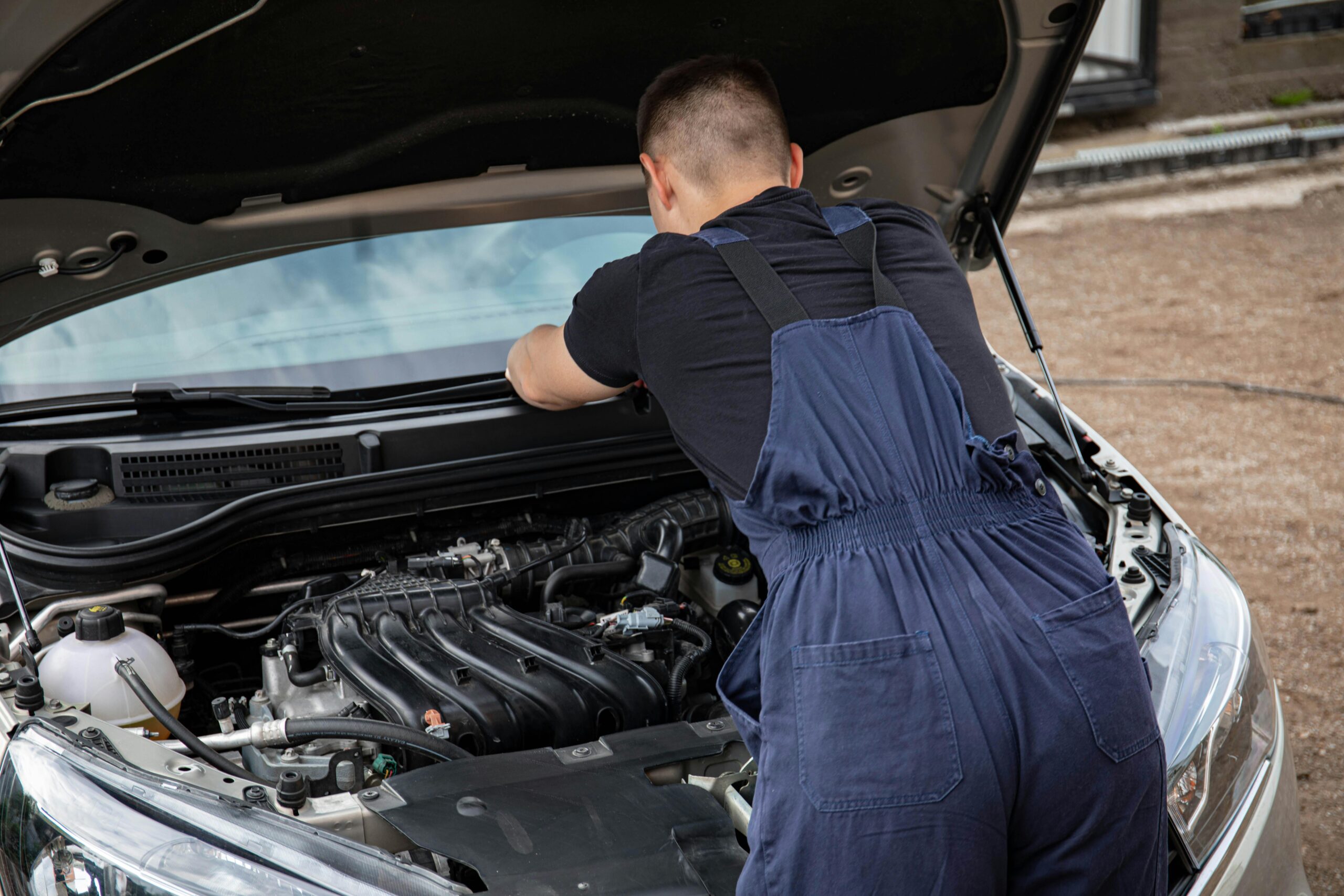
Taking the First Step Toward Your Mechanic Career Today
The journey from complete beginner to professional mechanic may seem daunting, but remember that every expert was once exactly where you are now. Mobile apps have removed traditional barriers of cost, location, and scheduling that previously made this career path inaccessible to many people.
Start today by downloading a comprehensive mechanic training app and committing to just 30 minutes of daily study. Perform your first oil change following app guidance. Join an online community where you can ask questions and celebrate small victories. These seemingly minor actions compound over time into professional-level competency.
The automotive industry needs skilled technicians more than ever before. Shops struggle to find qualified employees, creating opportunity for anyone willing to invest effort in legitimate skill development. Your smartphone contains the entire knowledge base of automotive repair—the only remaining ingredient is your commitment to consistent learning and practice.
Take control of your career trajectory. Whether you dream of opening your own shop, working for a prestigious dealership, or simply gaining the satisfaction of maintaining your own vehicles expertly, mechanic training apps provide the roadmap. The vehicle that could change your life isn’t in a showroom—it’s in your pocket, waiting for you to tap that download button and begin your transformation into a professional automotive technician. 🔧✨
