
Anúncios
Learning automotive repair has never been more accessible. Today, mobile apps bring professional training right to your smartphone, transforming anyone into a skilled mechanic with guided lessons and expert techniques.


The automotive industry has experienced a digital revolution that extends far beyond the vehicles themselves. Educational technology now empowers aspiring mechanics to learn complex repair techniques through interactive mobile applications. These powerful tools combine video tutorials, diagnostic guides, and hands-on simulations to create comprehensive learning experiences.
Whether you’re a complete beginner curious about car maintenance or someone looking to transition into a professional automotive career, specialized apps provide structured pathways to mastery. They eliminate traditional barriers like expensive trade schools and geographical limitations, bringing expert instruction directly to your fingertips whenever you’re ready to learn.
📱 Why Mobile Apps Are Revolutionizing Mechanic Training
Traditional mechanic training required enrolling in vocational schools, investing thousands of dollars, and committing to fixed schedules. Modern apps have democratized this education by offering flexible, affordable alternatives that fit any lifestyle. You can learn during lunch breaks, practice diagnostics in your garage, or study theory while commuting.
These applications leverage augmented reality, interactive diagrams, and step-by-step video instructions to break down complex repairs into manageable lessons. Unlike static textbooks, apps update regularly with new vehicle models, emerging technologies like electric vehicles, and the latest diagnostic techniques used by professional shops worldwide.
The gamification elements in many mechanic training apps keep learners motivated through achievement badges, skill progression tracking, and community challenges. This engagement model proves far more effective than traditional learning methods, with completion rates significantly higher than conventional online courses.
🔧 Essential Features in Professional Mechanic Training Apps
Not all automotive apps deliver equal value. The most effective professional training platforms incorporate several critical features that separate casual information sources from genuine educational tools. Understanding these elements helps you choose applications that will genuinely advance your mechanical skills.
Comprehensive Diagnostic Tools
Professional-grade apps include OBD-II scanner integration, allowing you to connect directly to vehicle computer systems. This feature transforms your smartphone into a diagnostic station, reading error codes, monitoring sensor data in real-time, and providing detailed explanations of what each code means for specific vehicle makes and models.
The best applications database thousands of trouble codes with corresponding repair procedures. Instead of simply identifying a problem, these apps guide you through systematic troubleshooting processes, teaching diagnostic reasoning rather than just memorizing solutions.
Interactive Visual Learning Systems
High-quality mechanic apps utilize 3D models, exploded-view diagrams, and augmented reality overlays that help you understand component relationships. You can rotate engine assemblies, examine brake systems from multiple angles, and visualize how parts interact during operation.
Video content should feature professional mechanics demonstrating actual repairs on real vehicles. The most valuable apps include multiple camera angles, close-ups of critical steps, and commentary explaining why each action matters. Some advanced platforms even offer slow-motion replays of complex procedures.
Structured Learning Pathways
Professional development requires systematic progression from fundamental concepts to advanced techniques. Quality apps organize content into logical modules covering basic maintenance, component-specific repairs, electrical systems, diagnostics, and specialized areas like transmission work or engine rebuilding.
Each module should include assessment tools that verify your understanding before advancing. Quizzes, practical challenges, and certification tests ensure you’re building genuine competence rather than passively consuming information.
🚗 Top Skills You’ll Master Through Mechanic Apps
Modern automotive repair apps cover an impressive range of technical skills. These platforms typically organize content around core competency areas that align with professional certification standards and real-world shop requirements.
Engine Systems and Performance
Understanding engine operation forms the foundation of mechanical expertise. Apps teach you about four-stroke cycles, combustion processes, valve timing, and fuel delivery systems. You’ll learn to diagnose performance issues, interpret compression test results, and identify worn components through visual and auditory cues.
Advanced lessons cover turbocharging, supercharging, variable valve timing, and direct injection technologies. Many apps include engine simulation tools where you can adjust parameters and observe effects on performance and efficiency.
Electrical and Electronic Systems
Modern vehicles contain more computing power than the Apollo spacecraft. Mechanic apps dedicate extensive content to electrical diagnostics, teaching you to read wiring diagrams, test circuits with multimeters, and understand CAN bus communications between vehicle modules.
You’ll master troubleshooting techniques for starting systems, charging circuits, lighting, and complex electronic modules controlling everything from climate to advanced driver assistance systems. This knowledge proves increasingly valuable as vehicles become more electronically sophisticated.
Brake Systems and Suspension
Safety-critical systems demand thorough understanding. Apps provide detailed instruction on hydraulic brake principles, anti-lock systems, electronic stability control, and the latest regenerative braking in hybrid vehicles. You’ll learn proper bleeding procedures, pad replacement, rotor machining, and caliper rebuilding.
Suspension training covers shock absorbers, struts, springs, bushings, ball joints, and alignment principles. Interactive tools help you understand how suspension geometry affects handling, tire wear, and vehicle stability.
💡 Building a Career Foundation Through App-Based Learning
While apps provide exceptional educational resources, transitioning to professional work requires strategic planning. Successful mechanics combine digital learning with practical experience, certifications, and continuous skill development.
Creating Your Personal Learning Schedule
Consistency matters more than intensity when developing mechanical expertise. Dedicate specific time blocks to app-based learning, treating them as seriously as formal classes. Start with 30-minute daily sessions focusing on single topics rather than attempting marathon study periods that lead to information overload.
Track your progress through the app’s built-in systems, but also maintain a personal journal noting concepts you’ve mastered, areas needing review, and questions to research. This metacognitive approach accelerates learning by making you an active participant rather than passive consumer.
Supplementing Digital Learning With Hands-On Practice
Knowledge without application remains theoretical. As you complete app lessons, immediately apply concepts to real vehicles. Start with your own car performing basic maintenance like oil changes, air filter replacements, and brake inspections under the guidance of app instructions.
Consider purchasing an inexpensive non-running vehicle as a learning platform where you can practice disassembly, diagnosis, and repair without pressure. Many successful mechanics credit their skills to countless hours spent working on project cars that provided risk-free experimentation opportunities.
Pursuing Industry Certifications
Professional credibility requires recognized certifications. Apps prepare you for ASE (Automotive Service Excellence) examinations, which remain the industry standard in North America. Study modules align with ASE test categories including engine repair, electrical systems, brakes, suspension, and heating/air conditioning.
Many apps offer practice tests with questions similar to actual certification exams. Take these assessments seriously, using them to identify knowledge gaps before scheduling official tests. Each certification you earn significantly increases employment opportunities and earning potential.
🎯 Choosing the Right Mechanic Training App for Your Goals
The app marketplace contains dozens of automotive training platforms, each with different strengths, content focuses, and pricing models. Selecting the optimal application for your situation requires evaluating several factors beyond just user ratings and download numbers.
Assessing Content Depth and Currency
Examine whether apps cover the specific vehicle types you want to work on. Some focus exclusively on domestic manufacturers, while others specialize in European or Asian vehicles. The best comprehensive apps include content spanning multiple brands with regular updates reflecting new model year changes.
Check publication dates for video content and diagnostic information. Automotive technology evolves rapidly, and instruction based on decade-old vehicles offers limited value. Premium apps employ teams constantly updating content as manufacturers release new systems and technologies.
Evaluating User Interface and Learning Experience
Download free trials or basic versions before committing to premium subscriptions. Navigate through lessons assessing whether the interface feels intuitive, videos load quickly, and diagrams display clearly on your device. Frustrating user experiences undermine learning regardless of content quality.
Consider how apps structure progression. Do they force linear advancement or allow flexible exploration based on your interests and needs? Both approaches have merits depending on whether you prefer structured guidance or self-directed learning.
Understanding Pricing Models and Value
Mechanic training apps utilize various monetization approaches including one-time purchases, monthly subscriptions, and freemium models with in-app purchases. Calculate total costs over the timeframe you’ll need the application—sometimes seemingly expensive upfront purchases prove more economical than ongoing subscriptions.
Evaluate what premium tiers include. Core diagnostic features and basic lessons should be accessible without excessive paywalls. Advanced content, certification prep, and specialized modules justify additional costs, but fundamental training should remain reasonably accessible to beginners with limited budgets.
🔍 Advanced Features That Separate Professional Apps From Basic Tools
As your skills develop, you’ll benefit from sophisticated features that professional-grade applications offer. These advanced capabilities support the transition from hobbyist to career mechanic, providing tools actual shops use daily.
Live Data Streaming and Advanced Diagnostics
Professional apps connect to vehicles through Bluetooth OBD-II adapters, streaming live sensor data including engine RPM, coolant temperature, oxygen sensor voltages, and dozens of other parameters. This real-time information helps you understand how systems behave under different operating conditions.
Advanced diagnostic features include bi-directional controls that let you activate components like fuel injectors, ignition coils, and solenoids to verify functionality. This capability transforms your smartphone into a scan tool comparable to equipment costing thousands of dollars.
Community Forums and Expert Support
Learning mechanics often encounter puzzling situations that generic lessons don’t address. Premium apps include access to community forums where you can post questions, share photos of unusual conditions, and receive advice from experienced professionals and fellow learners.
Some platforms offer direct connections to certified master technicians through chat or video calls. This personalized support proves invaluable when facing complex diagnostics that require expert interpretation beyond what automated systems provide.
Business and Shop Management Training
Technical skills alone don’t guarantee career success. Comprehensive mechanic apps include modules on customer service, estimate writing, parts sourcing, shop safety, and business management. If you aspire to open your own repair facility, these business-focused lessons provide essential knowledge often overlooked in purely technical training.
Invoicing templates, labor time guides, and pricing calculators help you understand the business side of automotive repair. Learning to communicate effectively with customers and manage workflows efficiently distinguishes successful professionals from technically skilled mechanics who struggle to build sustainable careers.
⚡ Overcoming Common Challenges in App-Based Mechanic Training
Self-directed learning through mobile applications presents unique challenges different from traditional classroom environments. Recognizing these obstacles and implementing strategies to overcome them significantly improves your success probability.
Maintaining Motivation Without External Accountability
App learning removes the structure and social pressure of scheduled classes. Many learners start enthusiastically but gradually reduce engagement without external deadlines or peer groups. Combat this by establishing accountability systems—share your goals with friends, join online study groups, or create public commitments through social media documenting your journey.
Set specific, measurable milestones with concrete deadlines. Rather than vague goals like “learn about engines,” commit to “complete all fuel system modules and pass the assessment by Friday.” Small, achievable targets maintain momentum better than distant aspirations.
Bridging Theory to Practical Application
Understanding concepts intellectually differs from executing repairs physically. Videos make procedures appear simpler than reality when you’re contorting under a vehicle with stubborn bolts. Bridge this gap by immediately practicing after each lesson, even if just familiarizing yourself with component locations and tool access.
Don’t expect perfection initially. Professional mechanics developed their speed and efficiency through years of repetition. Focus on proper technique rather than speed, and recognize that initial awkwardness naturally transforms into competence with consistent practice.
Knowing When to Seek In-Person Guidance
Apps provide extraordinary resources, but some situations benefit from hands-on instruction. Complex procedures involving safety-critical systems, specialized tools, or irreversible steps warrant seeking experienced mechanics who can supervise your initial attempts and provide immediate feedback.
Consider part-time positions at repair shops, even in non-mechanical roles, to observe professionals and occasionally assist with repairs under supervision. This real-world exposure complements app learning perfectly, showing you the unwritten techniques and shortcuts that only come from shop experience.
🌟 Real Success Stories: From App Learner to Professional Mechanic
Thousands of mechanics have launched successful careers primarily through app-based training. These stories demonstrate that with dedication and strategic learning, mobile platforms provide genuine pathways to professional competence and financial independence.
Marcus began learning automotive repair through mobile apps while working retail. He dedicated two hours daily after work to systematic study, completing certification prep modules over eight months. After passing four ASE certifications, he secured an entry-level technician position. Three years later, he manages his own specialized European vehicle repair shop, crediting apps for providing foundational knowledge that traditional education couldn’t fit into his working schedule.
Sarah used mechanic training apps to transition from administrative work to automotive diagnostics. Initially intimidated by technical content, she discovered apps’ interactive format made complex electrical systems comprehensible. She now works as a diagnostic specialist for a dealership, earning significantly more than her previous career while enjoying the satisfaction of solving challenging technical problems daily.
These success stories share common elements: consistent daily practice, immediate application of learned concepts, certification pursuit, and willingness to start in entry-level positions to gain shop experience. Apps provided knowledge foundations, but personal initiative transformed that knowledge into professional careers.
🛠️ Essential Tools to Complement Your App-Based Training
While apps deliver exceptional educational content, becoming a professional mechanic requires accumulating physical tools. Strategic tool acquisition aligned with your learning progression maximizes value without overwhelming initial investments.
Starting With Quality Basic Hand Tools
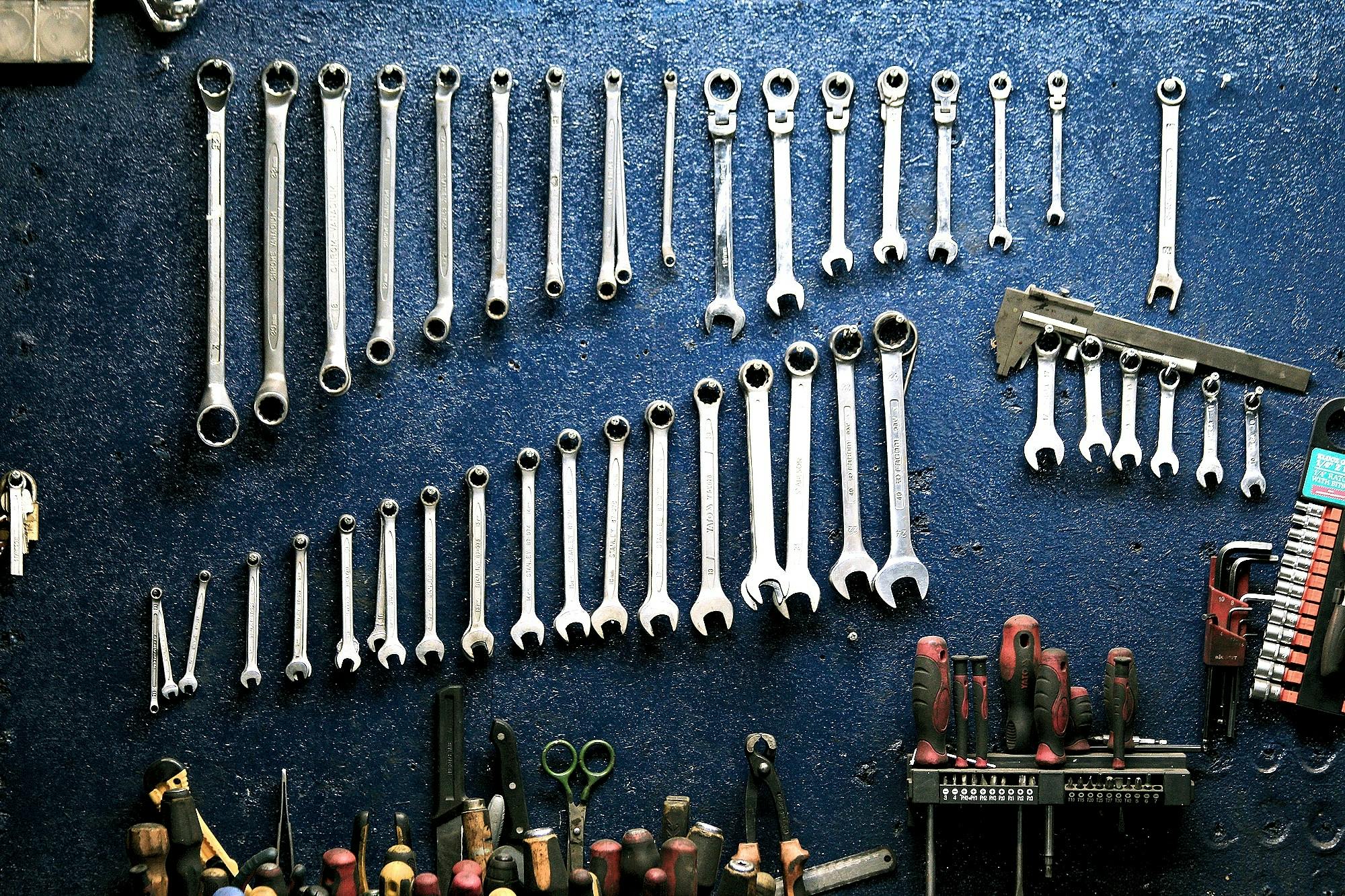
Begin with a comprehensive socket set covering metric and SAE sizes, combination wrenches, screwdrivers, pliers, and a quality torque wrench. Avoid extremely cheap tools that break under stress, but don’t feel pressured to purchase premium brands initially. Mid-range tools from reputable manufacturers serve beginners perfectly while learning proper techniques.
As apps teach specific procedures, add specialized tools when needed. This just-in-time approach prevents accumulating equipment you rarely use while ensuring you have necessary items when learning new systems.
Investing in Diagnostic Equipment
Quality OBD-II scanners that integrate with your training apps deserve priority investment. Choose devices offering bi-directional controls and manufacturer-specific code definitions beyond generic OBD-II protocols. This equipment transforms theoretical diagnostic lessons into practical problem-solving sessions on actual vehicles.
Multimeters for electrical testing, compression testers for engine diagnostics, and brake fluid testers for safety inspections round out essential diagnostic equipment. Many apps include guides specifically teaching proper use of these tools, maximizing your investment value.
Creating a Safe, Functional Workspace
Effective practice requires appropriate workspace. While professional lifts remain cost-prohibitive for most beginners, quality jack stands, wheel chocks, and a reliable floor jack enable safe access to vehicle undersides. Never compromise safety by working under improperly supported vehicles regardless of time pressure or convenience.
Adequate lighting, organized tool storage, and proper ventilation transform garages into productive learning environments. Apps teach procedures, but comfortable, safe workspaces let you focus on skill development rather than fighting environmental obstacles.
🚀 The Future of Mechanic Training Through Technology
Automotive education continues evolving as emerging technologies create increasingly immersive learning experiences. Understanding these trends helps you prepare for tomorrow’s industry while maximizing today’s educational opportunities.
Augmented reality represents the next frontier in mechanic training. Future apps will overlay repair instructions directly onto actual vehicles through smartphone cameras, highlighting components, displaying torque specifications, and animating disassembly sequences in real-time as you work. This technology eliminates constant switching between instruction screens and actual repairs.
Artificial intelligence integration will personalize learning pathways based on your progress, learning style, and career goals. Smart algorithms will identify knowledge gaps, recommend targeted lessons, and adapt difficulty levels ensuring optimal challenge without frustration. AI tutors will answer questions conversationally, providing explanations tailored to your current understanding level.
Virtual reality simulations will offer risk-free practice environments where you can repeatedly attempt complex repairs, make mistakes, and learn from failures without damaging actual vehicles or wasting parts. These immersive experiences will complement physical practice, accelerating skill development through unlimited deliberate practice opportunities.
The mechanics who embrace these technological tools while maintaining strong fundamental knowledge and hands-on experience will dominate the profession. Apps aren’t replacing traditional skills—they’re democratizing access to knowledge that previously required expensive formal education, geographic proximity to quality schools, and rigid scheduling incompatible with many people’s lives.
Your journey to becoming a professional mechanic through mobile apps begins with a single downloaded application and commitment to consistent daily learning. The tools exist, the knowledge is accessible, and the career opportunities are substantial. Success requires only your dedication to systematic study, practical application, and persistent improvement. The automotive industry needs skilled technicians, and app-based training provides the pathway for motivated learners to meet that demand while building rewarding, financially secure careers doing challenging, meaningful work.
