
Anúncios
Transform your smartphone into a powerful measuring tool with just a few taps. Modern technology has made tape measures nearly obsolete for quick measurements around your home or workplace.


Gone are the days when you needed to carry bulky measuring tools everywhere. Your smartphone, already packed with sensors and cameras, can accurately measure distances, heights, and dimensions with impressive precision. This technology leverages augmented reality (AR) and advanced algorithms to turn your device into a versatile measuring instrument.
Whether you’re a DIY enthusiast planning your next project, a homeowner checking if furniture will fit, or a professional needing quick measurements on the go, your phone can handle it all. The accuracy has improved dramatically over recent years, making these apps reliable for everyday use. Let’s explore how you can unlock this hidden potential in your pocket. 📱
Understanding How Phone Measuring Apps Work
The magic behind turning your phone into a tape measure lies in sophisticated technology that most modern smartphones already possess. These apps utilize your device’s camera combined with augmented reality frameworks like ARKit (Apple) or ARCore (Google) to create three-dimensional maps of your surroundings.
When you point your camera at a surface, the app identifies planes and anchor points in real space. The sensors detect depth and distance by analyzing how objects appear from different angles as you move your phone. Motion sensors, including the gyroscope and accelerometer, track your phone’s position and orientation with remarkable accuracy.
The processor then calculates distances by comparing reference points in the camera feed. Advanced algorithms correct for lens distortion and perspective, ensuring measurements remain accurate even at various angles. Some apps even use LiDAR technology (available on newer iPhone and iPad models) for enhanced precision, capturing detailed depth information instantly.
Essential Features to Look For in Measuring Apps 🔍
Not all measuring apps are created equal. When selecting the right tool for your needs, certain features can make the difference between frustration and satisfaction. Understanding what to prioritize will help you choose an app that delivers accurate, reliable results.
AR Capability: The foundation of accurate measurements. Ensure the app supports ARCore (Android) or ARKit (iOS) for your device. Without proper AR support, measurements will be unreliable and inconsistent.
Multiple Measurement Modes: Look for apps offering various measurement types including linear distance, height, area, volume, and angles. Versatility means one app can handle different projects without switching between multiple tools.
Save and Share Options: The ability to save measurements, add photos, create labels, and share results via email or messaging apps proves invaluable for project documentation and collaboration with others.
Unit Conversion: Seamless switching between metric and imperial units (centimeters, meters, inches, feet) saves time and reduces conversion errors, especially when working with international specifications or different industry standards.
Top Measuring Apps for Android Devices
Android users have access to numerous excellent measuring applications, each with unique strengths. Google’s own Measure app comes pre-installed on many devices and provides straightforward functionality for basic measurements. It excels at measuring flat surfaces and straight lines with respectable accuracy.
AR Ruler App stands out for its comprehensive feature set, offering not just distance measurements but also area calculation, perimeter measurement, and even volume estimation for three-dimensional objects. The interface is intuitive, making it accessible even for first-time users.
RoomScan stands as a powerful option for those needing to measure entire rooms. Simply tap your phone against walls, and the app automatically creates a floor plan with dimensions. This proves particularly useful for real estate professionals, interior designers, and anyone planning renovations.
Moasure takes a unique approach by measuring distances as you physically walk or move your phone along the path you want to measure. This method works exceptionally well for measuring curves, irregular shapes, or distances in spaces where line-of-sight measurements prove challenging.
Best Measuring Solutions for iPhone Users 🍎
Apple’s built-in Measure app, available since iOS 12, delivers impressive accuracy thanks to the company’s refined ARKit technology. The app automatically detects rectangular objects like picture frames or posters, making quick measurements effortless. The level feature also helps ensure surfaces are perfectly horizontal or vertical.
For iPhone 12 Pro and newer models equipped with LiDAR sensors, the Measure app achieves near-professional accuracy. The LiDAR scanner creates detailed depth maps instantly, significantly improving measurement precision and reducing the time needed to calibrate measurements.
Canvas: Pocket 3D Room Scanner represents the premium end of measuring apps, utilizing LiDAR to create detailed 3D models of entire rooms complete with accurate dimensions. Contractors, architects, and renovation specialists find this app indispensable for creating professional documentation.
My Measures & Dimensions combines measurement tools with project management features. You can take measurements, annotate photos, organize them into projects, and add notes. This organizational capability makes tracking multiple projects simultaneously much more manageable.
Step-by-Step Guide to Measuring with Your Phone
Getting started with phone-based measurements is straightforward once you understand the basic process. First, ensure your chosen app has the necessary permissions to access your camera and motion sensors. Without these permissions, the app cannot function properly.
Step 1 – Calibration: Open your app and move your phone slowly around the area you want to measure. This calibration phase allows the app to map the surrounding space and identify surfaces. You’ll typically see dots or a mesh overlay appear on your screen as the app recognizes planes.
Step 2 – Set Starting Point: Tap the screen at the point where you want to begin your measurement. Most apps place a visible marker or dot at this location. Ensure you tap precisely at the intended starting point for maximum accuracy.
Step 3 – Set Ending Point: Move your phone to the destination point, keeping the starting marker visible on screen when possible. Tap again to set the endpoint. The app will draw a line and display the distance between the two points.
Step 4 – Verify and Save: Check the measurement for reasonableness. If something seems off, delete and remeasure. Once satisfied, save the measurement with a descriptive label for future reference.
Maximizing Accuracy: Professional Tips and Tricks ✨
Achieving professional-level accuracy with your phone requires understanding several key techniques. Lighting conditions significantly impact measurement precision. Always measure in well-lit environments where your camera can clearly distinguish surfaces and edges. Shadows and dim lighting can confuse the AR algorithms.
Hold your phone steady throughout the measurement process. Shaky hands introduce errors as the sensors struggle to maintain accurate position tracking. For critical measurements, consider bracing your phone against your body or using both hands for stability.
Measure important dimensions multiple times from different angles. If three measurements yield similar results, you can trust the accuracy. Discrepancies suggest environmental factors or technique issues requiring adjustment.
For maximum precision on devices without LiDAR, measure shorter distances when possible and combine them for longer measurements. Accuracy degrades slightly over longer distances, so breaking a long wall into two or three shorter measurements often produces more reliable results.
Clean your camera lens before measuring. Smudges, fingerprints, and dust interfere with the camera’s ability to accurately capture the scene, directly impacting measurement quality. A quick wipe with a microfiber cloth takes seconds but significantly improves results.
Common Mistakes to Avoid When Using Measuring Apps ⚠️
Understanding common pitfalls helps you avoid frustration and inaccurate measurements. Many users make the mistake of measuring in poorly lit conditions or against low-contrast surfaces. The app’s camera needs clear visual information to identify surfaces accurately.
Moving too quickly during calibration represents another frequent error. Give the app adequate time to map your space properly. Rushing through the calibration phase results in unstable measurements that shift as you move your phone.
Measuring through glass or reflective surfaces confuses AR technology. The camera sees reflections rather than the actual surface behind the glass, producing wildly inaccurate results. Always measure directly to solid, non-reflective surfaces when possible.
Ignoring calibration prompts leads to consistent inaccuracy. If your app requests you move your phone around before measuring, don’t skip this step. Those few seconds of calibration dramatically improve measurement reliability.
Expecting absolute precision for critical applications can lead to disappointment. While phone measuring apps are remarkably accurate for everyday use, they cannot match professional laser measuring tools for applications requiring millimeter precision, such as carpentry or engineering work.
Practical Applications: When to Use Your Phone as a Tape Measure 🏠
Phone measuring apps shine in numerous everyday scenarios. Furniture shopping becomes effortless when you can quickly measure spaces to verify whether that couch or bookshelf will fit. No more guessing or carrying measuring tapes through stores.
Home improvement projects benefit enormously from instant measurements. Quickly measure windows for curtains, walls for paint coverage calculations, or rooms for flooring estimates. The ability to save measurements with photos creates perfect documentation for shopping trips.
Real estate professionals use measuring apps to quickly document property dimensions, create floor plans, and verify listing information. The speed and convenience allow for measuring entire properties in minutes rather than hours.
Shipping and logistics applications include measuring packages to calculate dimensional weight and shipping costs. Knowing exact dimensions before heading to the post office prevents surprises and helps you choose the most economical shipping option.
DIY crafters and makers find these apps invaluable for planning projects. Measure materials, verify workspace dimensions, and calculate material requirements without hunting for a physical measuring tool. The instant feedback speeds up project planning significantly.
Comparing Phone Measurements to Traditional Tools 📏
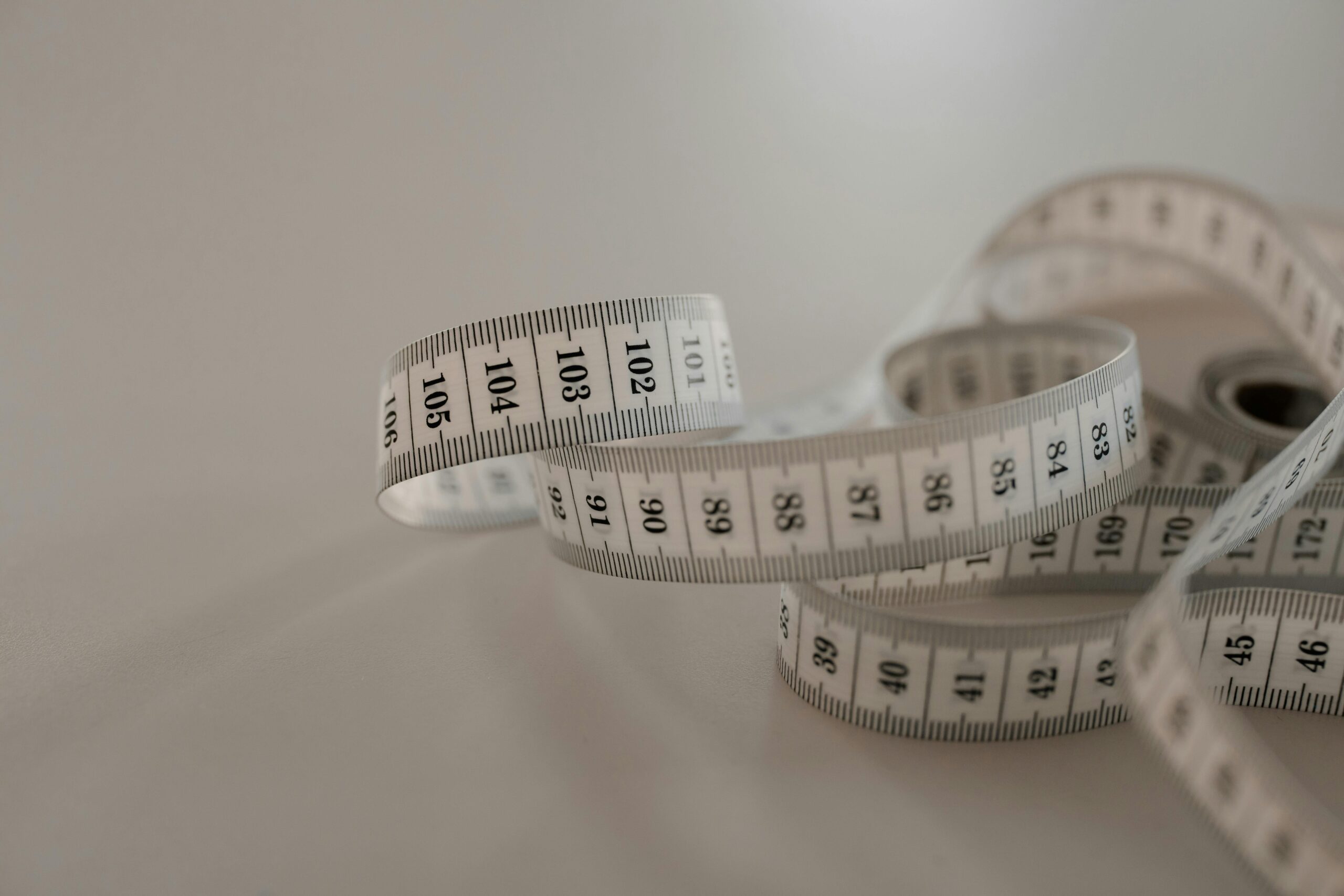
Traditional measuring tapes maintain advantages in certain situations. They require no battery power, work perfectly in any lighting condition, and offer tactile feedback that some users prefer. For critical construction work, professional tape measures remain the gold standard.
However, phone-based measurements excel in convenience and versatility. Your phone is always with you, eliminating the need to carry additional tools. The ability to measure heights, areas, and volumes without complex calculations provides capabilities far beyond traditional tapes.
Accuracy comparisons show modern AR measuring apps typically achieve precision within 1-2% for distances under 10 feet, comparable to careful use of a standard tape measure. LiDAR-equipped devices can approach professional tool accuracy for many applications.
The digital nature of phone measurements enables easy documentation, sharing, and integration with project planning software. Photos with embedded measurements create comprehensive records impossible with traditional tools alone.
Advanced Techniques for Power Users
Power users can unlock additional functionality through creative application of measuring app features. Creating reference objects calibrates measurements for improved accuracy. Measure a known object first, note any discrepancy, and mentally adjust subsequent measurements accordingly.
Combining measurements with annotation apps creates detailed project documentation. Screenshot measurements, import them into note-taking apps, and add detailed annotations, creating comprehensive project plans that integrate measurements with notes and ideas.
Using measurements for 3D modeling provides another advanced application. Some apps export measurements and 3D scans in formats compatible with CAD software, bridging the gap between field measurements and professional design work.
Creating measurement templates for repetitive tasks saves time. If you frequently measure similar items or spaces, save a template with standard measurement points, allowing you to quickly replicate the measurement process without thinking through the sequence each time.
Troubleshooting Common Measurement Issues 🔧
When measurements seem consistently inaccurate, several troubleshooting steps can resolve most issues. Restart the app completely, not just closing and reopening it. This clears cached calibration data that may have become corrupted.
Update your operating system and the measuring app to the latest versions. Developers continuously improve AR algorithms and fix bugs that affect measurement accuracy. Running outdated software limits your device’s measurement capabilities.
Clear the area around what you’re measuring. Clutter confuses the AR system by creating multiple potential measurement surfaces. A clear, well-defined space helps the app identify the correct surface you intend to measure.
If measurements consistently run long or short, calibrate using a known reference. Measure a standard doorway (typically 32 inches wide) or other object with known dimensions. This reveals whether your technique or the app itself requires adjustment.
Check device compatibility specifications. Older smartphones may lack the advanced sensors required for accurate AR measurements. If your device predates AR capability, consider upgrading or using alternative measuring methods for critical applications.
Privacy and Security Considerations
Measuring apps require camera access and often use location data, raising legitimate privacy concerns. Review app permissions carefully and grant only what’s necessary for functionality. Reputable apps explain why they need specific permissions.
Be cautious when measuring in sensitive locations. Your camera feed and saved measurements might contain information you prefer to keep private. Some apps store data in the cloud, potentially exposing measurements and associated photos to security breaches.
Read privacy policies before installing measuring apps, especially from unknown developers. Understand what data is collected, how it’s stored, and whether it’s shared with third parties. Free apps particularly may monetize through data collection.
Consider using apps from established developers like Google, Apple, or well-known software companies. These organizations typically maintain higher privacy standards and have more to lose from privacy violations than unknown developers.
Future of Smartphone Measuring Technology 🚀
The future promises even more impressive measurement capabilities as smartphone technology advances. Expanded LiDAR adoption across more device models will bring professional-grade accuracy to mainstream phones, eliminating the premium price barrier for enhanced precision.
Artificial intelligence integration will enable smarter measurements that automatically identify objects, suggest measurement points, and even predict measurements based on context. Imagine pointing your phone at a room and receiving complete dimensions without manual measurement.
Augmented reality improvements will create more seamless measurement experiences with real-time measurement overlays that stay anchored to physical objects as you move. Visual guides will help users achieve perfect accuracy even without experience.
Cross-device synchronization will allow measurements to flow seamlessly between phones, tablets, and computers. Start a measurement project on your phone, refine it on your tablet, and finalize it on your desktop with complete measurement history preserved.
Integration with smart home systems may enable automated measurements for security, energy efficiency, and space planning. Your home could measure itself, detecting changes and providing insights for optimization and maintenance.
Making the Most of Your Digital Tape Measure
Transforming your phone into a measuring tool represents just one example of how smartphones continue replacing specialized devices. The convenience of having a capable measuring tool always in your pocket eliminates excuses for guessing dimensions or making unnecessary trips to retrieve measuring equipment.
Practice improves accuracy significantly. Spend time measuring known objects to develop proper technique and build confidence in your phone’s capabilities. As you become more comfortable, you’ll discover creative applications beyond simple length measurements.
Remember that phone-based measurements work best as convenient tools for everyday tasks rather than replacements for professional equipment in critical applications. Understanding these limitations ensures you use the right tool for each job, whether that’s your phone or a traditional measuring device.
The technology will only improve over time, making current limitations temporary. Embrace this convenient tool today while looking forward to even more impressive capabilities tomorrow. Your pocket-sized tape measure represents the future of practical, accessible measurement technology for everyone. 📐
