
Anúncios
Building meaningful relationships is both an art and a science that requires intention, effort, and genuine care to create bonds that endure through life’s challenges.
In our increasingly digital world, the quality of our connections often matters more than the quantity. Whether in personal friendships, romantic partnerships, professional networks, or family ties, the relationships we nurture become the foundation of our happiness, success, and overall well-being. Understanding how to craft connections that withstand the test of time has never been more crucial.
The journey of relationship building is complex, multifaceted, and deeply rewarding. It combines timeless human wisdom with modern psychological insights, creating a framework that anyone can learn and apply. From the initial spark of connection to the deep roots of long-term commitment, every relationship follows patterns that we can understand and strengthen.
🎯 The Foundation: Why Lasting Connections Matter
Research consistently shows that strong relationships are among the most significant predictors of happiness and longevity. The Harvard Study of Adult Development, spanning over 80 years, revealed that quality relationships are more important to our health and happiness than wealth, fame, or social class. These connections provide emotional support during difficult times, celebrate our successes, and give our lives deeper meaning.
Lasting relationships create a safety net that catches us when we fall and a launching pad that propels us forward. They offer perspective when we’re lost, encouragement when we’re discouraged, and accountability when we need to grow. The compound effect of these benefits over years and decades cannot be overstated.
Beyond personal benefits, strong relationships create ripple effects throughout communities. When we invest in meaningful connections, we build social capital that strengthens families, workplaces, and entire neighborhoods. This interconnected web of relationships forms the fabric of resilient societies.
🧠 The Science Behind Connection: Understanding What Makes Relationships Stick
Neuroscience has revealed fascinating insights about how our brains respond to social connection. When we engage in positive interactions, our bodies release oxytocin, often called the “bonding hormone,” which promotes trust and attachment. This biological response reinforces our desire to maintain and deepen these connections.
The concept of attachment theory, developed by psychologist John Bowlby, explains how our early relationships shape our ability to form connections throughout life. Understanding our attachment style—secure, anxious, avoidant, or disorganized—helps us recognize patterns that may strengthen or sabotage our relationships.
Dr. John Gottman’s research on relationship dynamics identified specific behaviors that predict success or failure in partnerships. His work shows that the ratio of positive to negative interactions, the ability to repair after conflict, and turning toward rather than away from bids for connection are critical factors in relationship longevity.
The Role of Emotional Intelligence
Emotional intelligence serves as the cornerstone of relationship building. It encompasses self-awareness, self-regulation, empathy, and social skills—all essential components for creating lasting bonds. People with high emotional intelligence can navigate conflicts more effectively, understand unspoken needs, and create environments where relationships thrive.
Developing emotional intelligence requires practice and commitment. It means learning to identify your own emotions before they overwhelm you, understanding how your feelings influence your behavior, and recognizing emotional cues in others. This skill set transforms how we connect with people at every level.
💬 The Art of Authentic Communication
Communication forms the lifeblood of any relationship, but not all communication is created equal. Authentic communication goes beyond exchanging information—it involves vulnerability, active listening, and genuine presence. When we communicate authentically, we create space for real connection to flourish.
Active listening represents one of the most powerful yet underutilized communication skills. It means fully focusing on the speaker without planning your response, asking clarifying questions, and reflecting back what you’ve heard. This practice makes others feel valued and understood, strengthening the relationship foundation.
Vulnerability in communication requires courage but yields tremendous rewards. When we share our true thoughts, feelings, and experiences—including our struggles and imperfections—we invite others to do the same. This mutual vulnerability creates intimacy and trust that superficial interactions never achieve.
Navigating Difficult Conversations
Every lasting relationship must weather challenging conversations. The key lies not in avoiding conflict but in approaching it constructively. Using “I” statements instead of “you” accusations, focusing on specific behaviors rather than character attacks, and seeking to understand before being understood transforms conflicts into opportunities for growth.
Timing matters significantly in difficult conversations. Choosing moments when both parties are calm and available, rather than ambushing someone with heavy topics, demonstrates respect and increases the likelihood of productive dialogue. Creating regular check-ins for relationship maintenance prevents small issues from becoming major problems.
⏰ Time: The Ultimate Investment in Relationships
Quality relationships require quality time—there’s simply no substitute for the hours spent together building shared experiences and memories. In our busy world, this often means making deliberate choices about how we allocate our most precious resource: time.
The concept of “quality time” has sometimes been used to justify minimal presence, but research suggests that quantity also matters. Children spell love T-I-M-E, and the same holds true for adult relationships. Being consistently present, even in mundane moments, builds the deep familiarity and comfort that characterize enduring connections.
Shared experiences create the stories that bind us together. Whether it’s regular coffee dates with friends, annual family traditions, or tackling challenges as a team, these experiences become the reference points that strengthen our bonds. The key is consistency—showing up repeatedly over time.
🌱 Growing Together: The Evolution of Relationships
Lasting relationships aren’t static—they evolve as individuals grow and circumstances change. The art of maintaining connections over time involves growing together rather than apart, supporting each other’s development while nurturing the relationship itself.
This requires balancing individual identity with togetherness. Healthy relationships allow each person to maintain their unique interests, friendships, and pursuits while also creating shared territory. This balance prevents codependency while fostering interdependence—the hallmark of mature, lasting connections.
Celebrating growth and change in each other demonstrates genuine care. When we encourage our friends to pursue their dreams, support our partners through career transitions, or adapt to changes in family dynamics, we show that our commitment transcends specific circumstances or versions of who someone is.
Adapting to Life’s Seasons
Different life stages bring different challenges and opportunities for relationships. Young adulthood might emphasize exploration and adventure, while midlife often focuses on stability and achievement. Later years may prioritize reflection and legacy. Relationships that endure acknowledge and adapt to these changing seasons.
Major life transitions—marriage, parenthood, career changes, loss, relocation—test relationships in unique ways. How we support each other through these transitions often determines whether connections deepen or dissolve. Proactive communication about needs and expectations during transitional periods prevents misunderstandings and resentment.
🔄 The Practice of Reciprocity and Balance
While keeping score in relationships can be toxic, genuine reciprocity creates sustainable connections. This doesn’t mean every interaction must be perfectly balanced, but over time, both parties should feel they’re contributing to and benefiting from the relationship.
Reciprocity extends beyond tangible exchanges to include emotional support, effort, and presence. Sometimes one person needs more support; other times, the balance shifts. What matters is the overall pattern and both parties’ willingness to give generously when needed and receive graciously when necessary.
Recognizing and appreciating what others bring to the relationship reinforces positive patterns. Expressing gratitude for both big gestures and small acts of kindness creates a positive feedback loop that encourages continued investment in the connection.
🛡️ Trust: Building and Maintaining the Cornerstone
Trust forms the foundation upon which all lasting relationships are built. It develops slowly through consistent, reliable behavior over time but can be damaged quickly through betrayal or broken promises. Understanding how to build, maintain, and when necessary, repair trust is essential for relationship longevity.
Building trust requires integrity—aligning your actions with your words consistently. This means following through on commitments, being honest even when it’s uncomfortable, and admitting mistakes rather than covering them up. Each instance of integrity deposits into the trust account, creating reserves for inevitable challenging times.
Trustworthiness also involves reliability and predictability. While spontaneity has its place, people need to know they can count on you for what matters most. Being emotionally consistent and available creates a sense of safety that allows relationships to deepen.
Repairing Broken Trust
Even in the best relationships, trust sometimes gets damaged. Repair requires acknowledgment of the harm caused, genuine remorse, understanding of the impact, and concrete actions to rebuild reliability. This process takes time and patience from both parties but can actually strengthen relationships when handled well.
The person who broke trust must demonstrate changed behavior consistently over time, while the hurt party must be willing to gradually extend opportunities for trust to be rebuilt. This delicate dance requires courage, humility, and commitment from both sides.
🎭 Boundaries: The Framework for Healthy Connections
Contrary to popular belief, boundaries don’t create distance in relationships—they create the safety and respect necessary for genuine closeness. Clear boundaries communicate our needs, values, and limits, allowing others to understand how to be in relationship with us successfully.
Setting boundaries requires self-awareness about what we need to maintain our well-being and the courage to communicate these needs clearly. This might include boundaries around time, emotional energy, physical space, or acceptable behaviors. Healthy relationships honor these boundaries rather than viewing them as obstacles.
Respecting others’ boundaries demonstrates care and maturity. When someone communicates a limit, viewing it as valuable information rather than rejection transforms potential conflicts into opportunities for deeper understanding. This mutual respect for boundaries creates relationships where both parties can thrive.
🌍 Maintaining Connections Across Distance and Time
Modern life often separates us geographically from people we care about, but distance doesn’t have to diminish connection. Technology provides unprecedented opportunities to stay connected across miles, though it requires intentionality to use these tools effectively.
Regular communication patterns help maintain connections despite distance. Whether it’s weekly video calls, daily text check-ins, or monthly letters, establishing rhythms creates continuity and shows that distance hasn’t diminished commitment. The format matters less than the consistency and genuine engagement.
Making efforts to connect in person periodically, when possible, reinforces bonds that digital communication maintains. Planning visits, reunions, or meeting in new places creates shared experiences that strengthen relationships and provide new memories to sustain the connection until the next meeting.
💝 The Power of Small Gestures
While grand gestures have their place, lasting relationships are built through countless small actions that demonstrate care and attention. Remembering important details, sending a message just to check in, celebrating small wins, or offering help without being asked—these micro-moments accumulate into the felt experience of being valued.
The Gottman Institute’s research on “bids for connection” reveals that responding positively to small requests for attention, affirmation, or interaction predicts relationship success more than any other factor. These tiny moments—turning toward rather than away—create the atmosphere where love and friendship flourish.
Consistency in small gestures often matters more than occasional big ones. Daily kindness, regular expressions of appreciation, and ongoing attention to the relationship create stable foundations that weather storms better than relationships that rely on sporadic grand displays.
🔍 Self-Reflection: The Inner Work of Connection
Our ability to build lasting relationships begins with our relationship with ourselves. Self-awareness, self-acceptance, and ongoing personal growth enable us to show up authentically and generously in our connections with others. This inner work never truly ends but becomes easier and more rewarding with practice.
Understanding our own patterns, triggers, and tendencies helps us take responsibility for our contributions to relationship dynamics. When we recognize that we bring our own baggage, biases, and blind spots to every interaction, we can approach relationships with appropriate humility and openness to feedback.
Personal growth work—whether through therapy, reflection, reading, or other means—enhances our capacity for healthy relationships. As we develop greater emotional regulation, clearer communication skills, and deeper empathy, all our relationships benefit from these expanded capacities.
🎁 Celebrating and Savoring Connection
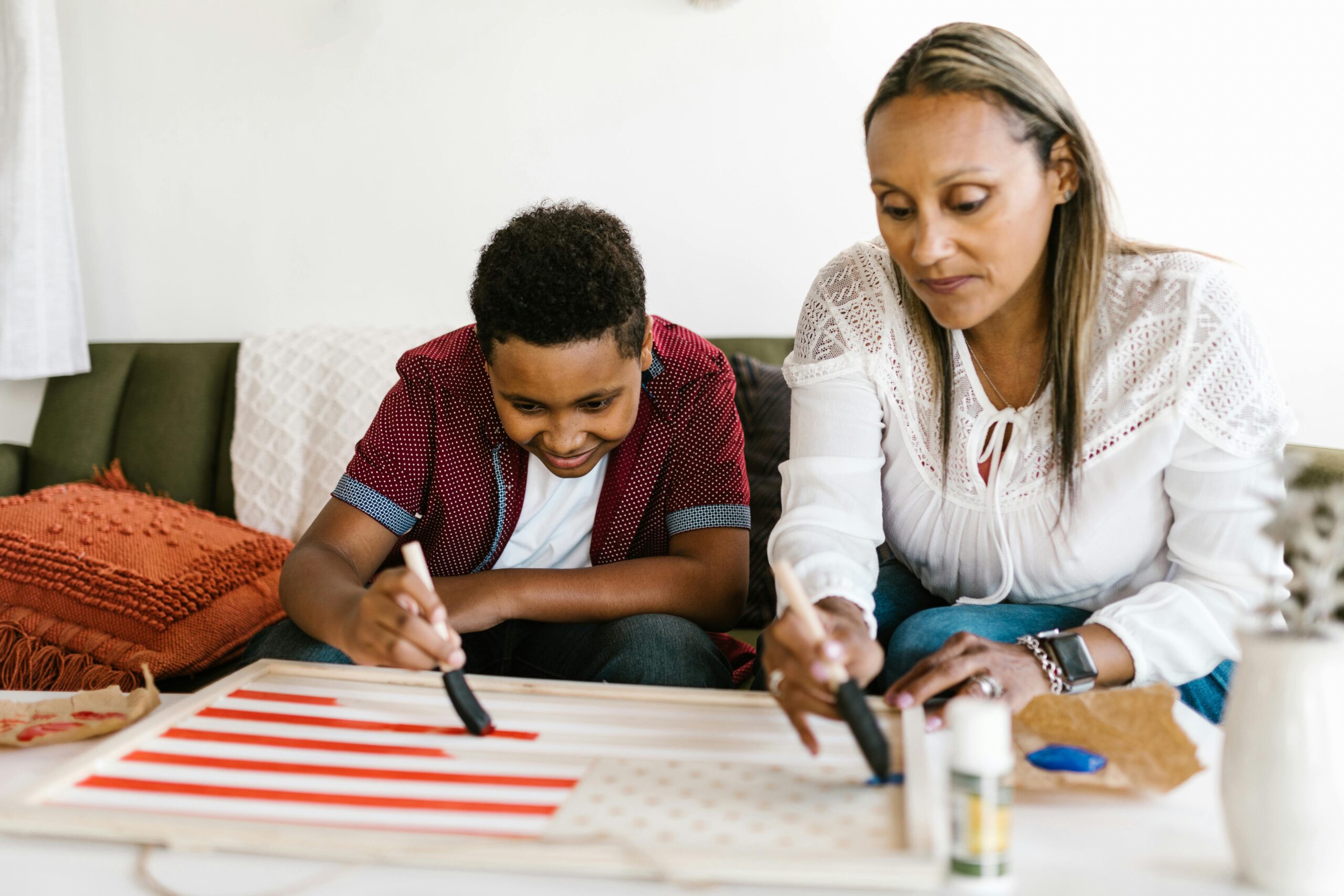
In the busyness of life, we often forget to pause and appreciate the relationships we’ve built. Taking time to celebrate milestones, express gratitude, and savor positive moments together reinforces why these connections matter and motivates continued investment in them.
Creating rituals around celebration—whether birthday traditions, anniversary commemorations, or spontaneous appreciation moments—gives relationships a sense of specialness and continuity. These rituals become anchors that connect us to shared history and create anticipation for future moments together.
Savoring involves being fully present to positive experiences rather than rushing past them. When something good happens in a relationship—a meaningful conversation, a shared laugh, a moment of perfect understanding—allowing yourself to fully experience and appreciate it deepens the positive impact.
Building relationships that stand the test of time is neither quick nor easy, but it remains one of life’s most worthwhile endeavors. By combining the art of authentic presence with the science of human connection, we create bonds that enrich our lives immeasurably. These relationships become our greatest source of joy, support, and meaning—treasures that appreciate in value with each passing year. The investment we make today in crafting genuine connections pays dividends throughout our lifetime and often extends into generations beyond our own. As we practice these principles consistently, we not only transform our own lives but contribute to a more connected, compassionate world.
