
Anúncios
Pain is an inevitable part of the human experience, yet how we respond to it determines whether we remain victims or emerge as empowered individuals ready to embrace a brighter future.
Throughout our lives, we encounter various forms of wounds—emotional, physical, psychological, and spiritual. These experiences can either break us down or become the foundation for remarkable transformation. The journey from suffering to strength is not linear, nor is it easy, but it represents one of the most profound opportunities for personal growth and self-discovery.
Understanding that our wounds hold the potential for healing and empowerment is the first step toward reclaiming our lives. When we acknowledge our pain rather than suppressing it, we open ourselves to profound transformation. This article explores the multifaceted process of healing, offering insights and practical strategies for converting your deepest hurts into sources of resilience, wisdom, and authentic power.
🌱 Understanding the Nature of Wounds and Their Impact
Wounds come in countless forms, each leaving its unique imprint on our lives. Childhood trauma, relationship betrayals, loss of loved ones, career setbacks, health challenges, and societal discrimination all create deep impressions that shape how we see ourselves and the world around us.
The psychological impact of unhealed wounds extends far beyond the initial painful event. These experiences often create limiting beliefs, trigger defensive behaviors, and establish patterns that keep us trapped in cycles of suffering. Many people carry their wounds for decades, allowing past pain to dictate present choices and future possibilities.
Research in neuroscience and psychology reveals that traumatic experiences actually change our brain structure and functioning. The amygdala becomes hyperactive, keeping us in a state of heightened alert, while the prefrontal cortex—responsible for rational thinking and emotional regulation—may become less effective. Understanding these biological realities helps us approach healing with compassion rather than self-judgment.
The Hidden Gifts Within Our Pain
Paradoxically, our deepest wounds often contain our greatest gifts. The challenges we face force us to develop qualities we might never have cultivated otherwise—resilience, empathy, courage, wisdom, and authentic strength. Many of history’s most influential leaders, artists, and change-makers transformed their personal suffering into fuel for extraordinary contributions to humanity.
When we resist or deny our pain, we inadvertently give it more power over our lives. Acceptance doesn’t mean resignation; it means acknowledging what is real so we can work with it rather than against it. This shift in perspective represents the crucial difference between remaining a victim and becoming a victor in your own story.
💪 The Transformation Process: From Victim to Victor
Transforming pain into strength requires intentional effort and commitment to personal growth. This process involves several key stages, each building upon the previous one to create lasting change and genuine empowerment.
Acknowledgment and Acceptance
The healing journey begins with honest acknowledgment of your wounds. This means looking directly at what happened to you, how it affected you, and the ways it continues to influence your life today. Many people skip this crucial step, preferring to minimize their pain or pretend they’ve already moved past it.
True acceptance involves feeling your emotions fully rather than intellectualizing them. Allow yourself to grieve what was lost, to feel angry about injustice, to experience sadness over broken relationships. These emotions are not weaknesses—they’re natural human responses that need expression before they can be released.
Creating Space for Processing
Healing requires dedicated time and space for processing your experiences. This might involve journaling, therapy, meditation, creative expression, or meaningful conversations with trusted individuals. The key is establishing regular practices that allow you to explore your inner landscape without judgment or pressure to “get over it” quickly.
During this phase, patience becomes your greatest ally. Healing doesn’t follow a predictable timeline, and rushing the process often leads to incomplete resolution. Trust that your psyche knows what it needs and will reveal insights when you’re ready to receive them.
🔥 Practical Strategies for Healing and Empowerment
While everyone’s healing journey is unique, certain strategies have proven effective across diverse experiences and populations. Implementing these practices can accelerate your transformation and help you build sustainable strength.
Mindfulness and Somatic Practices
Our bodies hold trauma in ways our conscious minds may not fully comprehend. Mindfulness meditation, yoga, breathwork, and other somatic practices help release stored tension and reconnect us with our physical selves. These techniques also strengthen our ability to remain present rather than being pulled into painful memories or anxious future projections.
Regular mindfulness practice rewires the brain, literally changing neural pathways to support greater emotional regulation and stress resilience. Even ten minutes daily can produce measurable improvements in mental health and overall well-being.
Rewriting Your Narrative
The stories we tell ourselves about our experiences profoundly impact our healing trajectory. Many people construct narratives that reinforce victimhood or helplessness. Transforming pain into strength requires consciously reframing your story to emphasize growth, resilience, and agency.
This doesn’t mean denying difficult realities or toxic positivity. Instead, it involves asking empowering questions: What did this experience teach me? How did I demonstrate strength even in difficult circumstances? What qualities did I develop through this challenge? How can I use this experience to help others or create positive change?
Building a Support Network
Healing rarely happens in isolation. Surrounding yourself with supportive, understanding individuals provides essential validation and encouragement throughout the transformation process. This might include friends, family members, support groups, therapists, coaches, or spiritual advisors.
Quality matters more than quantity when building your support network. Seek out people who can hold space for your pain without trying to fix you, who celebrate your progress without minimizing remaining challenges, and who model the kind of healing and empowerment you’re working toward.
🎯 Channeling Your Experience into Purpose and Meaning
One of the most powerful ways to transform pain into strength involves finding meaningful purpose in your suffering. When we use our experiences to help others, create positive change, or pursue meaningful goals, our wounds become sources of wisdom and motivation rather than shame and limitation.
Discovering Your Unique Mission
Your specific wounds position you uniquely to contribute to the world in ways others cannot. Someone who has overcome addiction can guide others through recovery with authenticity no textbook can provide. A person who has survived abuse can advocate for victims with passion born from personal experience. A parent who has lost a child can comfort others facing similar grief with genuine understanding.
Identifying how your pain can serve others doesn’t diminish what you’ve experienced—it honors it by ensuring your suffering wasn’t meaningless. This perspective shift often marks the turning point from surviving to thriving, from being defined by wounds to being characterized by purpose.
Setting Empowered Boundaries
Transformation requires protecting your healing space through healthy boundaries. This means saying no to relationships, situations, or behaviors that undermine your progress. It means prioritizing your well-being without guilt or apology. It means recognizing that you cannot heal while remaining in toxic environments or maintaining destructive patterns.
Boundaries aren’t walls that keep people out—they’re guidelines that define how you expect to be treated and what you will no longer tolerate. Establishing and maintaining boundaries demonstrates self-respect and signals to others that you value yourself enough to protect your peace.
🌟 Developing Sustainable Resilience and Inner Strength
True empowerment goes beyond temporary motivation or surface-level confidence. It involves developing deep, sustainable resilience that supports you through future challenges and enables continuous growth throughout your life.
Cultivating Self-Compassion
Many people are their own harshest critics, especially when dealing with wounds and healing. Self-compassion—treating yourself with the same kindness you would offer a dear friend—accelerates healing and builds authentic strength. Research consistently shows that self-compassion is more effective than self-criticism for motivating positive change and maintaining progress.
Practice speaking to yourself with gentleness, especially during setbacks. Acknowledge that suffering is part of the shared human experience, not evidence of personal failure. Recognize that healing isn’t linear, and difficult days don’t erase your progress.
Embracing Growth Mindset
Carol Dweck’s research on growth mindset reveals that believing in our capacity for change and development dramatically impacts our actual ability to grow. When we view our wounds and challenges as opportunities for learning rather than fixed limitations, we unlock tremendous potential for transformation.
A growth mindset means seeing setbacks as information rather than failure, viewing effort as the path to mastery, and understanding that our most basic abilities can be developed through dedication and hard work. This perspective is particularly crucial when transforming pain into strength because it maintains hope even during difficult phases of the healing journey.
✨ Creating Your Brighter Tomorrow Starting Today
Transforming pain into strength isn’t something that happens automatically with time—it requires intentional action and conscious choice. The future you desire begins with the decisions you make today, the practices you implement now, and the commitment you make to your own healing and empowerment.
Daily Practices for Sustained Transformation
Consistency matters more than intensity when building lasting change. Establishing daily practices, no matter how small, creates momentum and reinforces your commitment to transformation. Consider implementing some of these evidence-based strategies:
- Morning meditation or mindfulness practice to center yourself before engaging with the day
- Gratitude journaling to shift focus toward what’s working rather than dwelling only on difficulties
- Physical movement or exercise to release stored tension and boost mood-regulating neurotransmitters
- Creative expression through art, music, writing, or other outlets to process emotions non-verbally
- Evening reflection to acknowledge progress, process experiences, and set intentions for tomorrow
- Regular connection with supportive individuals who reinforce your healing and growth
Measuring Progress Beyond Surface Markers
Transformation isn’t always visible in external achievements or dramatic changes. Often, the most significant progress happens internally—in how you relate to yourself, respond to triggers, maintain boundaries, or experience difficult emotions without being overwhelmed by them.
Celebrate subtle victories: the moment you notice a negative thought pattern and consciously choose a different response, the day you honor your needs by saying no without guilt, the time you feel an old wound activate but remain grounded rather than reactive. These small wins accumulate into profound transformation over time.
💫 Embracing the Ongoing Journey of Healing
Healing isn’t a destination where you arrive fully healed and permanently empowered. It’s an ongoing journey of continuous growth, deepening self-awareness, and expanding capacity for joy, connection, and contribution. Understanding this prevents the disappointment that comes from expecting to reach some final state of completeness.
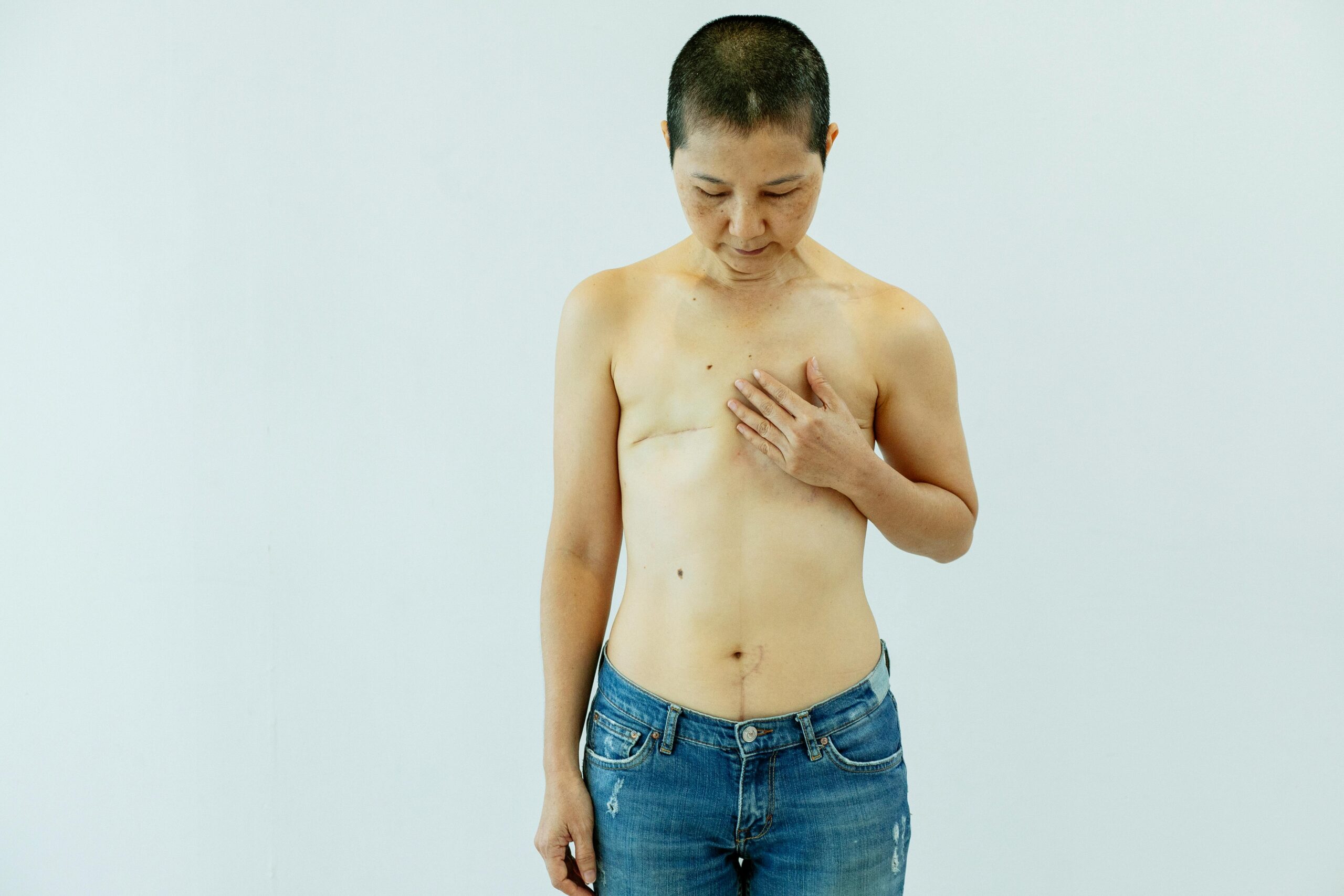
Your wounds may always be part of your story, but they don’t have to define your identity or limit your future. As you continue transforming pain into strength, you’ll likely discover that your relationship with your wounds evolves. What once felt devastating may become a source of wisdom. What seemed like irreparable damage may reveal itself as the breaking open that allowed light to enter.
The most empowered individuals aren’t those who’ve never been wounded—they’re those who’ve done the difficult work of healing, who’ve chosen growth over bitterness, who’ve transformed their pain into fuel for positive change. They’re people just like you, who decided that their wounds wouldn’t write the final chapter of their story.
Your Invitation to Begin
If you’re reading this, you’ve already taken an important step toward transformation. Seeking understanding, looking for guidance, and opening yourself to the possibility of healing demonstrates courage and readiness for change. Trust that impulse. Honor that readiness. Begin where you are with what you have.
Your brighter tomorrow doesn’t require you to have everything figured out or to heal perfectly before you can move forward. It simply asks that you commit to the journey, treat yourself with compassion along the way, and trust that your wounds hold the seeds of your greatest strengths. The transformation you seek is already beginning, one conscious choice at a time.
Remember that healing worth wounds means recognizing the inherent value in both the pain you’ve experienced and the person you’re becoming through the process of transformation. Your story isn’t over—it’s simply entering its most empowered chapter yet. 🌈
