
Anúncios
Learning when to walk away is one of life’s most valuable skills, yet it remains one of the hardest to master, requiring courage, wisdom, and self-awareness.
We live in a culture that celebrates persistence, grit, and never giving up. While these qualities have their place, they can sometimes blind us to situations where holding on causes more harm than good. The art of letting go isn’t about giving up or admitting defeat—it’s about recognizing when your energy, time, and emotional investment are better directed elsewhere. It’s about choosing yourself, your peace, and your future over situations that no longer serve your growth.
This transformative skill applies to relationships, careers, habits, beliefs, and even dreams that have run their course. Understanding when to release your grip can be the difference between years of unnecessary struggle and a breakthrough into a life aligned with your true purpose and happiness.
🚪 Why Walking Away Feels So Difficult
The human psyche is wired to resist letting go. We develop emotional attachments to people, places, and pursuits, even when they’re no longer beneficial. Several psychological factors make walking away challenging, and understanding these can help you overcome the resistance.
First, there’s the sunk cost fallacy—the tendency to continue investing in something because of the time, money, or energy already spent. You might stay in an unfulfilling job because you’ve been there for five years, or remain in a toxic relationship because you’ve already invested so much emotional energy. This thinking traps you in situations that steal your potential for happiness.
Fear also plays a significant role. The unknown feels threatening, while the familiar—even when painful—provides a sense of security. Walking away means stepping into uncertainty, facing the possibility of failure, judgment, or regret. These fears can paralyze you into staying put, even when every fiber of your being knows it’s time to move on.
Social pressure and expectations compound the difficulty. Society often views walking away as quitting, weakness, or failure. Family members might question your decisions, friends might not understand, and you might internalize these external judgments as personal shortcomings. The courage to walk away requires developing immunity to others’ opinions and trusting your internal compass.
🔍 Recognizing the Signs It’s Time to Let Go
Knowing when to walk away isn’t always obvious, but your mind and body often send clear signals when a situation has become toxic or stagnant. Learning to recognize these signs is essential for timely action.
Physical and Emotional Warning Signs
Your body often knows before your mind accepts the truth. Persistent stress, anxiety, sleep disturbances, or physical symptoms without medical explanation can indicate that a situation is taking a serious toll on your well-being. When you consistently feel drained, anxious, or depressed in connection with a specific person, job, or commitment, your system is telling you something important.
Emotional numbness or constant negativity are equally telling. If you find yourself going through the motions without joy, enthusiasm, or hope for improvement, it’s a strong indicator that the situation has passed its expiration date. When you can’t remember the last time something brought you genuine happiness in that context, it’s worth examining whether continuing makes sense.
Relationship Red Flags
In relationships—romantic, friendship, or professional—certain patterns signal it’s time to walk away. Repeated boundary violations, lack of respect, one-sided effort, or patterns of manipulation and control are non-negotiable reasons to leave. When someone consistently shows you who they are through harmful behavior, believe them.
Growth incompatibility is another crucial factor. People evolve at different rates and in different directions. When your values, goals, or visions for life diverge significantly and reconciliation isn’t possible, holding on often means sacrificing your authentic self. Healthy relationships support mutual growth, not stunted development.
Career and Project Indicators
Professional situations also have telltale signs. If your job consistently leaves you feeling undervalued, stifles your creativity, offers no growth opportunities, or conflicts with your core values, it might be time to explore alternatives. When Sunday evenings fill you with dread rather than anticipation, your career satisfaction deserves attention.
For projects, businesses, or goals you’ve pursued, diminishing returns and misalignment with your current priorities are key indicators. What made sense five years ago might not align with who you’ve become. Continuing out of obligation rather than passion leads to mediocrity and resentment.
💪 The Unexpected Strength in Letting Go
Contrary to popular belief, walking away from situations that don’t serve you demonstrates profound strength, not weakness. It requires self-awareness, courage, and commitment to your wellbeing that many people never develop.
Letting go creates space for something better. When you’re clutching onto what no longer works, your hands aren’t free to receive new opportunities. The energy you’re pouring into maintaining a failing situation could fuel new ventures, relationships, or personal development that actually align with your authentic self and aspirations.
Walking away also builds self-respect and sets important precedents for how you allow others to treat you. Each time you choose yourself over a harmful situation, you reinforce your self-worth and establish boundaries that protect your future wellbeing. This creates a positive cycle where you naturally attract healthier relationships and opportunities.
Moreover, the act of letting go develops emotional resilience. Facing the discomfort of change, sitting with uncertainty, and trusting yourself through transitions builds psychological muscles that serve you throughout life. Each successful navigation of letting go makes the next one slightly easier and reinforces your ability to handle whatever life presents.
🗺️ Creating Your Exit Strategy
Walking away strategically differs from impulsive decisions made in anger or frustration. A thoughtful exit strategy increases your chances of a clean break that minimizes collateral damage and maximizes your future opportunities.
Assess Before You Act
Before making major decisions, conduct an honest assessment of the situation. Journal about your experiences, feelings, and the patterns you’ve observed. Talk with trusted friends, mentors, or therapists who can offer objective perspectives. Sometimes distance and reflection reveal solutions you hadn’t considered; other times, they confirm what you already know.
Consider the practical implications of your decision. Financial considerations, logistical challenges, and timeline factors all deserve attention. While these shouldn’t trap you in harmful situations, planning for them makes transitions smoother and reduces unnecessary stress during already difficult periods.
Develop Your Action Plan
Once you’ve decided to walk away, create a concrete plan. This might involve updating your resume, saving money, researching new locations, or gradually reducing contact with someone. Having clear steps provides direction during emotionally turbulent times and prevents you from reverting to old patterns out of fear or convenience.
Set a realistic timeline that balances urgency with practicality. Some situations require immediate exit for safety or sanity reasons; others allow for gradual transitions that minimize disruption. Your timeline should reflect your specific circumstances while maintaining momentum toward your goal.
Build Your Support System
Surround yourself with people who support your decision and understand your journey. This might include friends, family members, support groups, or professional counselors. Having people to lean on during challenging moments makes the process less isolating and provides accountability when doubt creeps in.
Consider using tools and resources that support personal growth and emotional wellbeing during transitions. Meditation apps, journaling platforms, and mental health resources can provide daily support as you navigate the letting-go process and build your new foundation.
🌱 Navigating the Grief of Letting Go
Even when walking away is the right decision, it often involves genuine grief. Acknowledging and processing this grief is essential for healthy closure and prevents carrying unresolved emotions into your future.
Grief over letting go is valid regardless of the situation’s quality. You might grieve the version of the situation you hoped for rather than the reality you experienced. You might grieve the time invested, the dreams attached to it, or the identity you held within that context. All these feelings deserve space and acknowledgment.
Allow yourself to feel without judgment. Crying, anger, confusion, relief, and even moments of doubt are all normal parts of the process. Suppressing these emotions prolongs healing and can manifest as physical or psychological issues later. Create safe spaces—through therapy, journaling, or conversations with trusted friends—where you can express everything authentically.
Practice self-compassion throughout the process. You made decisions with the information, emotional capacity, and awareness you had at the time. Beating yourself up for not leaving sooner or for being in the situation at all serves no constructive purpose. Treat yourself with the kindness you’d extend to a dear friend facing similar circumstances.
🎯 Rebuilding After Walking Away
The period following a major letting-go decision represents both challenge and opportunity. How you approach this rebuilding phase significantly influences the quality of your brighter, stronger future.
Rediscover Your Identity
Situations we’ve invested in heavily often become intertwined with our identity. After walking away, you might feel uncertain about who you are without that relationship, career, or pursuit. This uncertainty, while uncomfortable, offers the precious opportunity to reconnect with your authentic self.
Explore interests you neglected, revisit dreams you shelved, and experiment with new activities. This isn’t about filling the void with distractions but about genuinely discovering or rediscovering what brings you joy, meaning, and fulfillment. Pay attention to what energizes versus drains you, and adjust accordingly.
Establish New Patterns and Boundaries
Walking away creates space to establish healthier patterns and clearer boundaries. Reflect on what you learned from the situation you left—what red flags did you miss initially? What compromises did you make that you shouldn’t have? What boundaries need to be non-negotiable going forward?
Use these insights to create guidelines for yourself in future relationships, career decisions, and commitments. This isn’t about becoming rigid or closed off, but about honoring your needs and values from the outset rather than sacrificing them for acceptance or approval.
Celebrate Your Courage
Acknowledge the tremendous courage it took to walk away. In a culture that glorifies persistence regardless of circumstances, choosing to let go represents radical self-respect and wisdom. Celebrate milestones in your journey—the decision itself, the actual leaving, your first week, first month, and so on.
These celebrations reinforce positive choices and remind you of your strength during moments of doubt. They also mark your progress and help you recognize how far you’ve come, which becomes particularly important during the inevitable challenging days.
✨ Transforming Endings into New Beginnings
The most powerful reframe available is viewing endings not as failures but as necessary transitions that clear the path for alignment with your authentic life. Every ending creates space for a beginning that better serves your evolution.
History is full of examples where walking away from one path led to extraordinary new directions. People who left stable careers to pursue passions, individuals who ended long-term relationships only to find more compatible partners, entrepreneurs who closed failing businesses before launching successful ones—these stories share a common thread of courage to let go.
Your willingness to walk away when necessary positions you for opportunities aligned with your current values, goals, and authentic self. It demonstrates self-awareness and emotional intelligence that many never develop. These qualities naturally attract healthier relationships, better opportunities, and situations that honor rather than diminish you.
The art of letting go isn’t learned once and mastered forever. Life continually presents situations requiring you to evaluate whether continuing serves your highest good. Each time you successfully navigate this decision, you strengthen your ability to recognize misalignment earlier and act on it with less resistance.
🌟 Your Permission to Choose Yourself
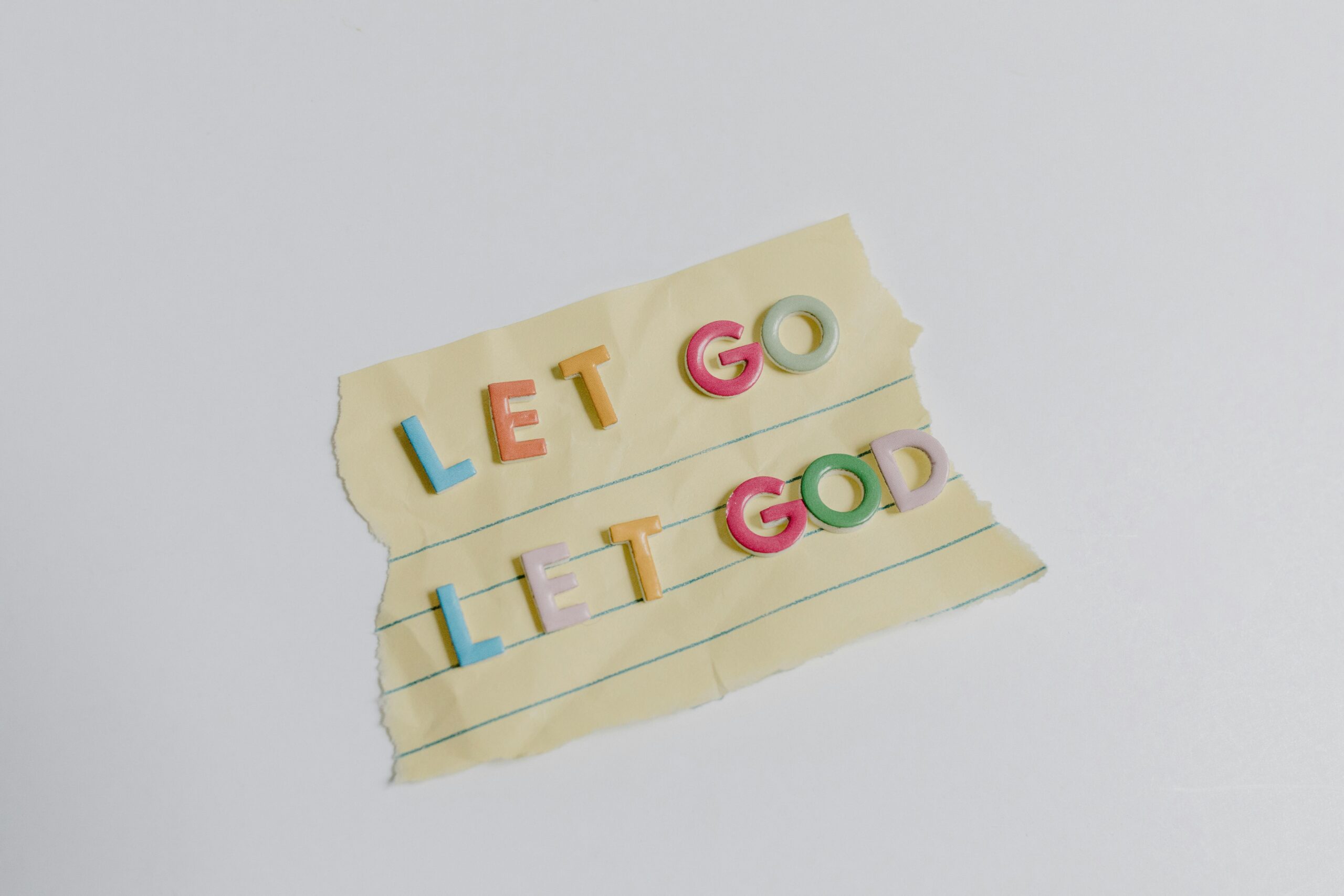
If you’re currently in a situation where you suspect it’s time to walk away but feel stuck, consider this your permission slip to prioritize yourself. You don’t need anyone’s approval to choose your wellbeing, peace, or future over situations that diminish you.
The discomfort of letting go is temporary; the consequences of staying where you don’t belong compound over time. Years from now, you’re far more likely to regret the time you stayed too long than the courage you showed by leaving. Your future self is counting on your present self to make brave decisions aligned with your authentic path.
Trust that you have the strength to handle whatever comes next. You’ve survived every difficult moment in your life so far, and walking away from what no longer serves you is an act of survival and self-preservation. The uncertainty ahead holds more promise than the certainty of continued unhappiness.
Mastering the art of letting go creates a life of intentional choices rather than default patterns. It positions you as the author of your story rather than a victim of circumstances. Each time you walk away from what diminishes you, you walk toward what elevates you—toward the brighter, stronger future you deserve.
The path forward begins with a single step away from what no longer belongs in your life. That step might feel terrifying, but it’s also liberating. On the other side of letting go waits a version of yourself you’ve been preventing from emerging—freer, stronger, and more aligned with your truth. The only question remaining is: are you ready to meet them? 🚀
